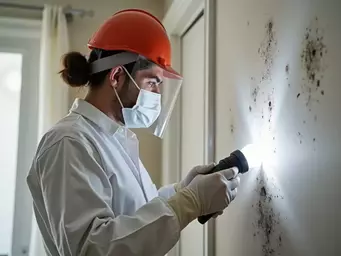
Seasonal Mold Growth Conditions
- • Spring: Increased rain & humidity.
- • Summer: High heat & humidity leads to condensation.
- • Fall: Organic debris traps moisture.
- • Winter: Snow/ice melt causes excess indoor moisture.
Subscribe to Mold Removal Care for expert advice on mold remediation, prevention strategies, and indoor air quality improvement.
Posted on: 2026-02-08
By: Jordan Blake
Every season brings its own unique challenges when it comes to mold growth in our homes. By understanding these seasonal patterns, you can take actionable steps to prevent mold and maintain a healthier living environment. Here are the key takeaways from our exploration of mold growth and prevention strategies.
Understanding how mold growth patterns change with the seasons and implementing targeted prevention strategies can help maintain a healthier home environment year-round.
As the seasons change, so do the conditions that can lead to mold growth in our homes. Understanding seasonal mold growth is crucial for maintaining a healthy living environment. At Mold Removal Care, we often emphasize the importance of being proactive about mold prevention. By recognizing the various factors that contribute to mold development throughout the year, you can take the necessary steps to keep your home safe.
Mold thrives in specific conditions, which can vary significantly depending on the climate. For instance, warmer months tend to bring higher humidity levels, while winter can introduce moisture from snow and ice. This combination of temperature and moisture plays a critical role in determining where and how mold can grow in your home.
To understand how mold develops, it's essential to recognize that mold spores are present in the air all around us. They typically wait for the right conditions to grow—namely, moisture and organic material. In different climates, the triggers for these conditions can vary. For example, in warmer, more humid climates, mold can flourish year-round. Conversely, in drier or colder climates, mold growth may slow down but can still occur in hidden areas like attics and basements.
Understanding these scientific principles is the first step toward effective mold prevention. When we educate homeowners about these dynamics, we equip them with the knowledge to identify potential problem areas in their homes.
Each season brings unique challenges regarding mold growth. For instance, spring and summer tend to have higher levels of humidity, while autumn and winter might feature more moisture due to rain and snow. recognizing these patterns can help you take action before mold becomes a problem.
As the owner of Mold Removal Care, I've seen firsthand how awareness of these seasonal conditions can lead to effective mold prevention strategies. By staying informed, homeowners can significantly reduce their risk of mold-related issues.
The weather patterns of each season significantly affect mold spore growth and proliferation. For instance, prolonged wet weather can increase the number of spores in the air, leading to a greater risk of indoor mold growth. This is particularly true when homes lack proper ventilation or moisture control.
By understanding these seasonal weather patterns, we can craft targeted prevention strategies that help keep our homes mold-free. At Mold Removal Care, we believe that knowledge is power, and by sharing this information, we're helping you protect your living space effectively!
Did you know? Regularly checking your home for signs of moisture can significantly reduce the risk of mold growth. Make it a routine to inspect areas prone to dampness, such as basements, bathrooms, and around windows. Simple actions like using a dehumidifier and ensuring proper ventilation can go a long way in keeping your home mold-free!
Mold primarily thrives in conditions with moisture and organic material. Seasonal changes in temperature and humidity significantly influence these conditions. For example, high humidity in summer and moisture from melting snow/ice in winter are common contributors.
Each season presents unique challenges: Spring brings increased rain and humidity; Summer has high heat and humidity leading to condensation; Fall features organic debris trapping moisture; and Winter causes excess indoor moisture from snow/ice melt.
In Spring, focus on ventilation and regular inspections. In Summer, use dehumidifiers and maintain AC. In Fall, ensure gutter maintenance and roof inspections. In Winter, enhance insulation and monitor indoor heating to minimize condensation.
Understanding seasonal weather patterns helps homeowners craft targeted prevention strategies. For instance, prolonged wet weather increases spores, and rapid humidity changes cause condensation, promoting mold growth. Knowing these dynamics allows for proactive measures.
If you discover mold in your home, especially if it's a significant amount or you're unsure how to handle it safely, it's best to contact professionals for expert mold remediation to ensure the problem is handled safely and effectively.
As we wrap up our discussion on seasonal mold prevention, it's important to remember that each season presents unique challenges. By understanding these seasonal mold growth patterns and implementing effective strategies, you can maintain a healthier home environment year-round. Below, I've highlighted some key techniques to consider as you navigate the different seasons!
These techniques form the foundation of an effective mold prevention strategy that adapts to seasonal changes. Implementing these methods can help you stay ahead of mold growth and ensure your home remains a safe haven!
Keeping your home free from mold requires consistent effort and awareness. Each season brings its own set of challenges, but with the right knowledge and tools, you can protect your living space. Remember, maintaining a mold-free environment not only improves your air quality but also promotes overall well-being for you and your family!
At Mold Removal Care, we emphasize the importance of proactive measures. Regular inspections and consistent moisture control can make a significant difference in preventing mold issues before they arise. So, take action now and stay one step ahead of mold!
Want to take the first step in protecting your home? Check out our interactive checklist designed to help you assess your home's mold risk! This resource provides practical guidance on identifying potential problem areas and implementing preventive measures. It’s a quick and easy tool to get you started on your mold prevention journey!
If you discover mold in your home, don't hesitate to reach out for professional help. At Mold Removal Care, we’ve compiled a list of trusted local experts who specialize in mold remediation. Hiring professionals ensures that your mold problem is handled safely and effectively, allowing you to breathe easier in your own home!
For those who prefer a hands-on approach, we offer a variety of DIY mold removal and cleaning solutions. It's essential to address mold issues promptly, and our guides will walk you through the process step-by-step! With the right techniques and products, you can tackle small mold problems effectively while maintaining a safe environment.
Remember, taking preventive measures and addressing mold quickly can lead to a healthier living space for you and your loved ones. Keep these strategies in mind, and let's work together to create a mold-free home!
Here is a quick recap of the important points discussed in the article: