What if I told you that a simple oversight in your home could lead to serious health risks? Understanding mold and its implications is crucial for a healthier living environment. Here are some vital insights you need to know!
What You Will Learn
Mold thrives in damp, warm environments, making homes particularly vulnerable.
Recognizing common types of mold, like Aspergillus and Stachybotrys (Black Mold), is essential for prevention.
Exposure to mold can lead to serious health issues, including respiratory problems and allergic reactions.
Professional mold remediation is crucial, especially in cases of extensive infestations or significant health risks.
Creating a mold prevention plan involves controlling humidity, ensuring proper ventilation, and regular inspections.
Understanding Mold: Health Risks and Prevention
Delve into the critical aspects of mold, from its common types and associated health risks to essential prevention strategies and when to seek professional help. This overview highlights key actionable insights.
Mold Types & Characteristics
Aspergillus
Cladosporium
Stachybotrys (Black Mold)
Penicillium
Common Health Risks
• Allergic Reactions
• Respiratory Issues
• Skin Irritations
• Fatigue & Headaches
When to Call for Help
• Visible Mold Growth
• Persistent Musty Odors
• Worsening Allergy Symptoms
• Water Damage History
Mold Prevention Plan
Control Humidity (<60%)
Ensure Ventilation
Regularly Inspect
Fix Leaks Promptly
Understanding Mold: What You Need to Know
Mold is a type of fungus that thrives in damp, warm environments, making it a common issue in many homes. It's essential to understand the various types of mold and the health risks associated with them. In this section, we’ll dive into the basics of mold, its common types, and why it’s vital to address any concerns promptly. After all, knowledge is the first step toward prevention!
Defining Mold and Its Common Types
Mold can appear in various forms, and it’s crucial to recognize the most common types you might encounter in your living space. Here are some of the typical molds:
Aspergillus: Often found in damp areas, it can cause respiratory issues.
Cladosporium: This mold is usually seen on textiles and wood, often triggering allergy symptoms.
Stachybotrys (Black Mold): Known for its dark color, it's notorious for being harmful.
Penicillium: Frequently found on food and in water-damaged buildings, it can lead to various health problems.
By identifying these molds, you can take necessary steps to address them effectively. At Mold Removal Care, we emphasize the importance of understanding the different types for better prevention and remediation strategies!
Health Risks Associated with Mold Exposure
Exposure to mold can lead to a variety of health issues, especially for people with existing respiratory conditions or weakened immune systems. Common health risks include:
Allergic Reactions: Symptoms like sneezing, runny noses, and itchy eyes can arise.
Respiratory Issues: Asthma attacks and chronic coughs may worsen with mold exposure.
Skin Irritations: Rashes and inflammation can develop upon contact.
Fatigue and Headaches: Prolonged exposure can lead to severe fatigue and regular headaches.
Understanding these risks is critical in motivating action against mold. If you notice any symptoms, it may be time to consider a professional inspection!
Identifying Black Mold: What Makes It Different?
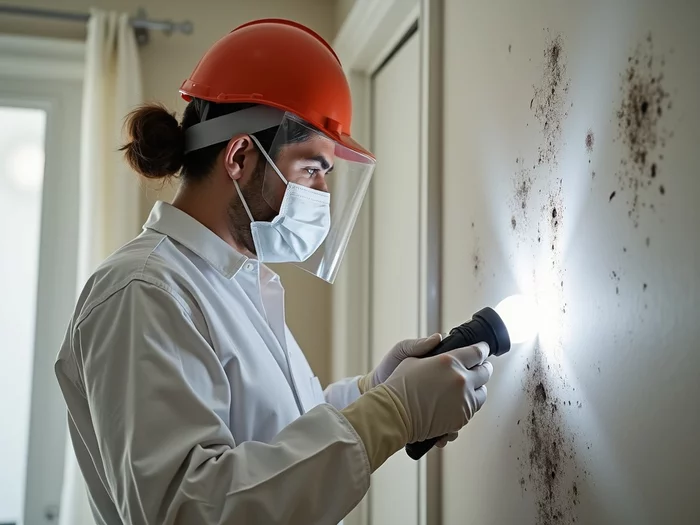
Black mold, or Stachybotrys, stands out due to its dark color and musty smell. It’s often found in areas with ongoing water damage and can pose serious health risks. Here’s how to identify it:
Color: Dark green to black, often slimy.
Location: Commonly found in bathrooms, basements, and areas with leaks.
Odor: A strong, musty smell is usually present.
If you suspect black mold in your home, don’t hesitate to reach out to professionals. At Mold Removal Care, we can provide you with the guidance needed to address this issue effectively and safely!
Frequently Asked Questions About Mold
Q: What is mold and where does it typically grow?
A: Mold is a type of fungus that thrives in damp, warm environments. It is a common issue in many homes, often found in areas with high humidity, leaks, or water damage like bathrooms, basements, and crawl spaces.
Q: What are the common types of mold?
A: Common types include Aspergillus (respiratory issues), Cladosporium (allergy symptoms on textiles/wood), Stachybotrys, also known as Black Mold (harmful, dark, musty), and Penicillium (found on food and in water-damaged buildings).
Q: What health risks are associated with mold exposure?
A: Mold exposure can lead to allergic reactions (sneezing, runny nose, itchy eyes), respiratory issues (worsened asthma, chronic coughs), skin irritations (rashes, inflammation), and fatigue and headaches, especially for individuals with compromised immune systems.
Q: How can I identify black mold (Stachybotrys)?
A: Black mold is typically dark green to black, often slimy, and has a strong, musty smell. It is commonly found in areas with ongoing water damage, such as bathrooms and basements.
Q: When should I call for professional mold remediation?
A: You should seek professional help if you notice visible mold growth on surfaces, persistent musty odors, increased allergy or asthma symptoms among occupants, or if your home has a history of water damage from leaks or flooding that was not promptly addressed.
Q: What are the key steps in a mold prevention plan?
A: A robust mold prevention plan includes controlling indoor humidity levels (keeping them below 60%), ensuring proper ventilation (using exhaust fans), regularly inspecting moisture-prone areas, and promptly fixing any leaks.
Q: How can improving indoor air quality help prevent mold?
A: Improving indoor air quality through regular HVAC maintenance (changing filters frequently), increasing natural ventilation (opening windows), and using air purifiers with HEPA filters helps reduce mold spores and creates a healthier, less mold-friendly environment.
We Want to Hear From You!
Have you ever encountered mold in your home? What steps did you take to address it? Share your thoughts below:
Summarizing the Importance of Professional Mold Remediation
As we wrap up our discussion on mold, it’s crucial to recognize the significance of professional mold remediation. Mold isn’t just an aesthetic issue; it poses serious health risks and can lead to significant property damage if left unaddressed. Understanding when to seek help can make all the difference for your home and your health!
Here are some key takeaways to keep in mind:
Mold can lead to respiratory problems and allergies, making it vital to address it promptly.
Visual signs, such as discoloration and dampness, should never be ignored.
Odors can be a telltale sign of hidden mold growth, requiring immediate attention.
Professional help ensures thorough inspection and effective remediation, preventing future infestations.
Taking the steps to address mold issues professionally protects not only your property but also your family’s health. Remember, prevention is better than cure!
When to Act: The Right Time to Call for Help
Knowing when to call for professional intervention can save you time, money, and stress. Here are some scenarios that warrant immediate action:
Visible mold growth on walls, ceilings, or floors.
Persistent musty odors, even after cleaning.
Increased allergy or asthma symptoms in occupants.
Water damage from leaks or flooding, especially if not addressed promptly.
If you find yourself in any of these situations, don’t hesitate to reach out to experts. At Mold Removal Care, we’re here to help you navigate these challenges with confidence!
Next Steps: Taking Action Against Mold
Creating a Mold Prevention Plan for Your Home
Taking action against mold begins with having a solid prevention plan. Here’s how you can create one that fits your home:
Control humidity levels: Keep indoor humidity below 60% using dehumidifiers.
Ensure proper ventilation: Use exhaust fans in kitchens and bathrooms to reduce moisture.
Inspect regularly: Check areas prone to moisture, like basements and crawl spaces, for signs of mold.
Fix leaks promptly: Address plumbing leaks and roof issues quickly to prevent water accumulation.
By implementing these steps, you can significantly reduce the risk of mold growth in your home. Remember, proactive measures are your best defense!
Resources for Further Information and Assistance
If you're looking for more information on mold prevention and remediation, there are several reliable resources available:
The Environmental Protection Agency (EPA) offers extensive guidance on mold and mildew.
Local health departments often provide resources tailored to your area.
Our website, Mold Removal Care, includes articles and guides on DIY mold prevention strategies.
Utilizing these resources can empower you to take informed actions against mold. Don’t hesitate to reach out for assistance when needed!
Improving Indoor Air Quality and Ventilation to Prevent Mold
Improving indoor air quality is essential for a mold-free environment. Here are some effective strategies:
Regular HVAC maintenance: Change filters frequently and schedule regular inspections.
Increase natural ventilation: Open windows when weather permits to allow fresh air in.
Use air purifiers: Consider purifiers with HEPA filters to trap mold spores.
By enhancing your indoor air quality, you not only mitigate the risk of mold growth but also create a healthier living space for you and your loved ones. Let's work together to ensure your home is a safe haven!
Recap of Key Points
Here is a quick recap of the important points discussed in the article:
Mold thrives in damp, warm environments and can lead to serious health risks, especially for those with respiratory issues.
Common types of mold include Aspergillus, Cladosporium, Black Mold (Stachybotrys), and Penicillium, each posing unique health risks.
Visible signs of mold, musty odors, and increased allergy symptoms are indicators that professional help may be needed.
Creating a mold prevention plan involves controlling humidity, ensuring proper ventilation, and fixing leaks promptly.
Regular inspection and maintenance of indoor air quality can significantly reduce the risk of mold growth in your home.
Subscribe & Share
2026-02-20
Professional Help or DIY Mold?
Understanding mold prevention is crucial for maintaining both health and property value. As mold can
2026-02-13
Know When to Call for Mold
What if I told you that a simple oversight in your home could lead to serious health risks? Understa
2026-02-08
Seasonal Mold Prevention Tips
Every season brings its own unique challenges when it comes to mold growth in our homes. By understa
Mold Removal Care
Your trusted partner for mold prevention and removal. We empower homeowners, renters, and property managers with actionable insights and practical advice to create healthier living environments.
Trusted by communities, our mission is to provide science-backed guidance backed by expert knowledge and industry standards.
Tip — Begin by controlling moisture levels in your home to prevent mold growth. Use dehumidifiers in damp areas like basements and bathrooms.
Tip — Regularly inspect your home for signs of mold, especially around windows, under sinks, and behind appliances. Look for discoloration or musty odors.
Tip — Ensure proper ventilation and regularly change your HVAC filters to improve indoor air quality and reduce mold spores.
Tip — For extensive mold infestations, consider hiring a professional mold remediation service to ensure thorough removal and safety.
Tip — Stay informed about effective mold prevention strategies and resources by visiting Mold Removal Care for comprehensive guides and expert advice.