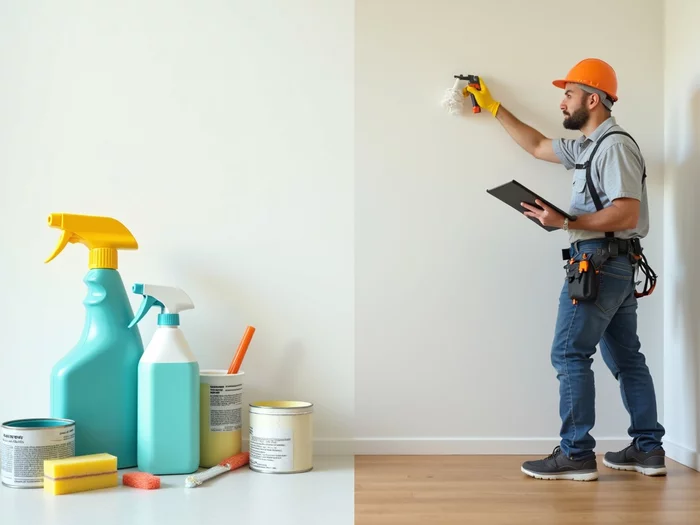
Understanding mold prevention is crucial for maintaining both health and property value. As mold can quietly invade homes and cause significant issues, being proactive is the safest approach. This guide highlights essential lessons that equip homeowners with the knowledge to combat mold effectively.
What You Will Learn
Mold thrives in damp conditions, making moisture control essential for prevention.
Prolonged exposure to mold can lead to serious health issues, particularly in sensitive individuals.
Regular home maintenance, including humidity control and ventilation, is key to preventing mold growth.
Understanding the types of mold, especially black and toxic mold, aids in swift identification and action.
Assessing your home's unique features, like age and location, helps tailor effective mold prevention strategies.
Weighing the pros and cons of professional remediation versus DIY methods ensures the best course of action.
Maintaining proper documentation of mold inspections and treatments is vital for insurance claims.
Understanding How Mold Prevention Works
Delve into the core elements of mold prevention, understanding health hazards, and balancing professional solutions with DIY methods.
Mold Prevention: Why It Matters
Prevention is key to health and property integrity. Mold thrives in damp conditions, leading to health issues and structural damage.
Proactive Care
Health Hazards & Symptoms
Respiratory problems (coughing, sneezing)
Skin irritations & rashes
Headaches & fatigue
Worsening asthma symptoms
Early Recognition is Key
Prevention Strategies
Keep humidity below 60%
Use dehumidifiers in damp areas
Ensure proper ventilation
Inspect & clean gutters regularly
Easier than Remediation
DIY vs. Professional Help Factors
Infestation Extent: Large areas need pros.
Comfort Level: Unsure? Consult an expert.
Cost: Weigh professional vs. DIY long-term.
Time: Pros are often quicker.
Home's Unique Needs
Location: Humid climates need aggressive strategies.
Age: Older homes may have hidden moisture.
Ventilation: Proper airflow reduces growth.
Water Sources: Fix leaks promptly.
Recognizing the Importance of Mold Prevention
At Mold Removal Care, we understand that prevention is key to maintaining a healthy living environment. Mold can thrive in damp conditions, making it crucial to recognize the importance of mold prevention in your home. It's not just about aesthetics; it's about safeguarding your health and preserving the integrity of your property.
Let’s delve into why mold prevention is so vital. Mold can lead to a variety of health issues, from respiratory problems to allergic reactions, and can even affect the structural integrity of your home. Keeping your space mold-free ensures that you and your loved ones can live in comfort and safety!
Understanding Mold Health Hazards
Mold exposure can pose serious health risks, particularly for individuals with pre-existing conditions such as asthma or allergies. Common symptoms associated with mold exposure include:
Respiratory problems, including coughing and sneezing
Skin irritations and rashes
Headaches and fatigue
Worsening of asthma symptoms
It’s essential to recognize these hazards early on. The sooner you identify and address mold problems, the less likely you are to experience adverse health effects. Being proactive is not just wise; it's necessary for maintaining a healthy home!
The Role of Mold Prevention in Home Maintenance
Mold prevention should be an integral part of your home maintenance routine. Regular maintenance practices can help mitigate the risk of mold growth by controlling moisture levels. Here are some effective strategies:
Keep humidity levels below 60%
Use dehumidifiers in damp areas
Ensure proper ventilation in kitchens and bathrooms
Regularly inspect and clean gutters
Implementing these practices not only helps in preventing mold but also contributes to a healthier indoor environment. Remember, prevention is always easier and less costly than remediation!
Identifying Common Types of Mold: Understanding Black Mold and Toxic Mold
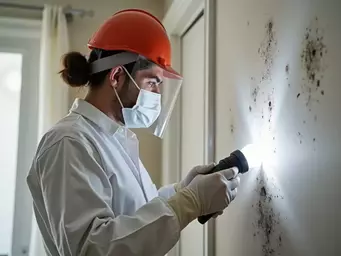
There are various types of mold that homeowners should be aware of, but two of the most concerning are black mold and toxic mold. Black mold, or Stachybotrys chartarum, is notorious for its potential health risks, particularly in vulnerable groups. If you see dark spots on walls or ceilings, it’s vital to act swiftly.
Toxic molds, while less common, can produce mycotoxins that pose severe health risks. Here’s a quick list of common types of mold to keep an eye out for:
Aspergillus
Penicillium
Cladosporium
Alternaria
By understanding these mold types, you can take the necessary precautions to protect your home and health. If you suspect mold presence, don’t hesitate to reach out for a professional inspection to assess the situation accurately!
Pro Tip
Did you know? Regularly changing your HVAC filters can greatly reduce the presence of mold spores in your home. This simple maintenance step not only helps prevent mold growth but also improves overall indoor air quality!
Summarizing Key Takeaways on Mold Prevention
As we wrap up our discussion on mold prevention, it’s essential to balance the use of professional services with DIY approaches. Each method has its own merits, and the best choice often depends on your unique situation. For example, while many small mold issues can be effectively managed with DIY techniques, more extensive infestations typically require the expertise of trained professionals. Understanding your home’s specific needs is key to maintaining a mold-free environment!
Balancing Professional Services with DIY Approaches
Making the decision between hiring a professional or tackling mold on your own doesn't have to be overwhelming. Here are some factors to consider:
Extent of Mold Infestation: For larger areas or significant mold growth, professional help is usually best.
Your Comfort Level: If you’re unsure about handling mold safely, it’s wise to consult an expert.
Cost Considerations: Weigh the costs of hiring a professional versus the potential long-term expenses of DIY methods.
Time Commitment: DIY can be time-consuming; professionals can often complete remediation more quickly.
By weighing these factors, you can make an informed decision that aligns with your needs and resources. Remember, at Mold Removal Care, we strive to empower you with the knowledge needed for effective mold control!
Understanding Your Home's Unique Needs for Mold Prevention
Every home is different, which means that mold prevention strategies should be tailored to your specific environment. Here are key aspects to assess:
Location: Homes in humid climates may require more aggressive mold prevention strategies.
Age of the Home: Older homes might have more hidden moisture issues that need to be addressed.
Ventilation Systems: Ensuring proper airflow can drastically reduce mold growth. Regularly check and maintain your HVAC systems!
Water Sources: Identify and fix leaks or water damage promptly to prevent mold from taking hold.
Understanding your home’s unique characteristics and needs can significantly enhance your mold prevention efforts. Don’t hesitate to reach out to us at Mold Removal Care if you need guidance tailored to your situation!
Next Steps: Ensuring a Mold-Free Environment
Taking proactive steps after understanding mold prevention is crucial. Let’s discuss how you can implement effective strategies for ongoing mold control.
Implementing Effective Strategies for Ongoing Mold Control
To maintain a mold-free environment, consider incorporating these key strategies into your home maintenance routine:
Regular Inspections: Schedule routine checks for moisture and mold in areas prone to dampness.
Humidity Control: Keep indoor humidity below 60% using dehumidifiers, especially in basements and bathrooms.
Prompt Repairs: Address leaks in plumbing and roofs immediately to prevent mold growth.
Air Flow Management: Ensure proper ventilation in all rooms to keep air circulating and dampness at bay.
These simple yet effective strategies can make a big difference in your home's air quality and overall health. At Mold Removal Care, we’re here to help you implement these practices effectively!
Frequently Asked Questions About Mold Prevention
Here are some common questions about mold prevention to help you further secure your home against mold:
Q: What is the most important step in mold prevention?
A: The most important step is controlling moisture. Mold thrives in damp conditions, so keeping humidity levels below 60% and promptly fixing leaks are crucial.
Q: What health issues can mold exposure cause?
A: Mold exposure can lead to respiratory problems like coughing and sneezing, skin irritations, headaches, fatigue, and can worsen asthma symptoms, especially in sensitive individuals.
Q: When should I choose professional mold remediation over DIY methods?
A: Professional remediation is recommended for large mold infestations, when you are unsure about safe removal, or if you suspect toxic mold. DIY is generally suitable for small, superficial mold patches.
Q: How does my home's age or location affect mold prevention?
A: Older homes may have hidden moisture issues due to aging infrastructure, requiring more diligent inspection. Homes in humid climates need more aggressive strategies to control moisture and ensure proper ventilation.
Q: What role do HVAC filters play in mold prevention?
A: Regularly changing HVAC filters helps reduce the presence of mold spores circulating in the air, thereby preventing mold growth and improving indoor air quality.
Resources for Professional Help and DIY Guidance
If you’re looking for further information on mold prevention, we have you covered! Here are some resources you can explore:
Mold Removal Care Blog: Check out our in-depth articles for expert tips and advice.
Local Mold Remediation Services: Find trusted professionals in your area through our recommended service provider list.
DIY Guides: Access our comprehensive DIY guides for tackling mold prevention on your own.
We understand that navigating mold issues can be challenging, but you don’t have to do it alone! Our resources are designed to support you every step of the way.
Insurance Claims and Mold-Related Incidents: What Homeowners Should Know
Lastly, it’s important to know how mold issues can affect your insurance coverage. Here are a few points to consider:
Policy Coverage: Review your homeowner’s policy to understand what mold-related incidents are covered.
Documentation: Keep detailed records of any mold inspections, treatments, and damage to support your claims.
Preventive Measures: Some insurers may offer discounts for homes with proactive mold prevention measures in place.
Understanding these factors will help ensure that you’re prepared if mold issues arise. If you have questions about your specific situation, don’t hesitate to reach out to us at Mold Removal Care for personalized assistance!
Recap of Key Points
Here is a quick recap of the important points discussed in the article:
Mold prevention is essential for safeguarding health and property integrity.
Common health risks associated with mold exposure include respiratory issues and allergic reactions.
Maintain humidity levels below 60% to control mold growth.
Regular inspections and prompt repairs of leaks are crucial for mold prevention.
Understand the different types of mold, particularly black mold and toxic mold, and take appropriate action.
Balance DIY methods with professional services based on the extent of mold issues.
Tailor mold prevention strategies to your home's unique characteristics and needs.
Subscribe & Share
2026-02-20
Professional Help or DIY Mold?
Understanding mold prevention is crucial for maintaining both health and property value. As mold can
2026-02-13
Know When to Call for Mold
What if I told you that a simple oversight in your home could lead to serious health risks? Understa
2026-02-08
Seasonal Mold Prevention Tips
Every season brings its own unique challenges when it comes to mold growth in our homes. By understa
Mold Removal Care
Your trusted partner for mold prevention and removal. We empower homeowners, renters, and property managers with actionable insights and practical advice to create healthier living environments.
Trusted by communities, our mission is to provide science-backed guidance backed by expert knowledge and industry standards.
Tip — Begin by controlling moisture levels in your home to prevent mold growth. Use dehumidifiers in damp areas like basements and bathrooms.
Tip — Regularly inspect your home for signs of mold, especially around windows, under sinks, and behind appliances. Look for discoloration or musty odors.
Tip — Ensure proper ventilation and regularly change your HVAC filters to improve indoor air quality and reduce mold spores.
Tip — For extensive mold infestations, consider hiring a professional mold remediation service to ensure thorough removal and safety.
Tip — Stay informed about effective mold prevention strategies and resources by visiting Mold Removal Care for comprehensive guides and expert advice.