Room-by-Room Mold Inspection Guide
Posted on: 2026-01-07
By: Jordan Blake
Recognizing hidden mold in your home can be the difference between a safe living environment and potential health risks. By equipping yourself with knowledge and tools, you can take control of your indoor air quality today.
What You Will Learn
- How to identify common indicators of mold presence in your home.
- Essential tools needed for effective mold inspection, including moisture meters and air quality test kits.
- Health implications associated with mold exposure, especially for vulnerable individuals.
- When to seek professional help for mold issues that exceed DIY capabilities.
- Best practices for conducting your own mold inspections and maintaining a mold-free environment.
Key Indicators and Tools for Mold Inspection
Understanding the signs of mold and having the right tools are crucial for effective home inspection. This visual outlines common indicators and essential equipment to help identify and assess mold presence.
Common Mold Indicators
Signs that mold might be lurking:
- ✓ Visible Growth
- ✓ Musty Odors
- ✓ Water Stains
- ✓ High Humidity
Essential Inspection Tools
Equipment to aid in detection:
- ● Moisture Meters
- ● Air Quality Test Kits
- ● Infrared Thermometer
- ● Flashlights
Health Implications
Potential risks of mold exposure:
- ⚠ Coughing & Sneezing
- ⚠ Skin Irritations
- ⚠ Eye Irritation & Headaches
- ⚠ Respiratory Issues
When to Seek Professional Help
Signs it's time for experts:
- → Growth > 10 sq ft
- → HVAC System Contamination
- → Persistent Health Issues
- → Beyond DIY Capabilities
Understanding Hidden Mold: Recognizing the Signs
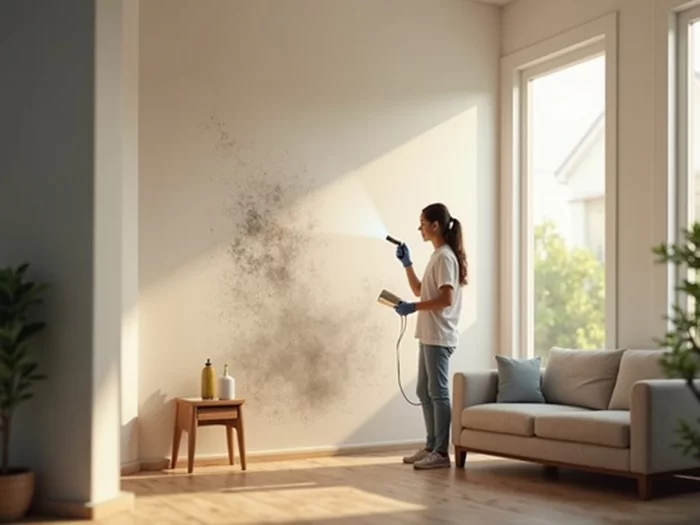
Detecting hidden mold in your home can be challenging, but understanding the signs is a critical first step. Mold often thrives in damp, dark places, making it easy to overlook until it becomes a significant problem. That's where I come in! At Mold Removal Care, I guide you through identifying those sneaky indicators that suggest mold may be present.
By being proactive, you can protect your family’s health and maintain a safer living environment. Let's delve into what you should be on the lookout for.
Identifying Common Indicators of Mold Presence
There are several telltale signs that mold could be lurking in your home, and recognizing these can help you act quickly. Here are some common indicators:
- Visible mold growth: This can appear as black, green, or white patches on surfaces.
- Musty odors: A persistent, earthy smell often indicates mold growth.
- Water stains: Discoloration on walls or ceilings can be a sign of moisture problems.
- High humidity: Areas with excessive moisture, especially in bathrooms or basements, are prime candidates for mold.
Remaining aware of these signs can help you catch mold early, reducing potential damage and health risks associated with mold exposure.
Recognizing Visual Signs of Mold Growth
Mold can manifest in various forms, but visual signs are often the most noticeable. Look closely at areas in your home that are prone to moisture, such as:
- Behind appliances like refrigerators and washing machines.
- Under sinks and in cabinets.
- On walls in bathrooms and laundry rooms.
When you spot any discoloration or fuzzy growth, it’s essential to investigate further. Mold can spread rapidly if not addressed promptly!
Understanding the Health Implications of Mold Exposure
The presence of mold in your home can lead to serious health implications. Exposure to mold spores can trigger a variety of health issues, particularly for individuals with allergies or respiratory conditions. Understanding these risks is vital for your family's well-being.
Common symptoms resulting from mold exposure include:
- Coughing and sneezing.
- Skin irritations or rashes.
- Eye irritation and headaches.
Identifying mold early can play a crucial role in mitigating these health risks, making it all the more important to remain vigilant in your inspections!
Common Health Risks Associated with Mold, Including Allergies and Respiratory Issues
Some people can experience more severe reactions to mold, leading to chronic respiratory issues or exacerbating existing conditions like asthma. It's essential to know that prolonged exposure can have serious consequences.
For instance, children and the elderly are particularly vulnerable to health risks associated with mold exposure. By prioritizing mold prevention and remediation, we can ensure a healthier living environment for everyone.
Essential Tools for Effective Mold Inspection
Now that we've explored the signs of mold, let’s talk about the tools that can help you effectively inspect your home for mold presence. Having the right equipment is key to ensuring a thorough and successful inspection.
Investing in these essential tools will empower you to take control of your indoor air quality. Here are a few must-have items:
- Moisture meters: For measuring humidity levels in walls and other surfaces.
- Air quality test kits: To assess the presence of mold spores in the air.
- Flashlights: For illuminating dark corners and hidden spaces.
With these tools at your disposal, you’ll be better prepared to tackle any mold issues head-on!
Must-Have Equipment for Your DIY Mold Inspection
Conducting a DIY mold inspection can be straightforward when you have the right equipment. Here are some items that I recommend for a thorough inspection:
- Moisture meter - essential for detecting hidden moisture.
- Infrared thermometer - helps identify temperature differences that may indicate moisture.
- Air quality test kits - measure airborne mold spores.
Having these tools not only enhances your inspection process but also gives you peace of mind knowing you’re taking the right steps to ensure a mold-free home!
Moisture Meters and Their Role in Detection
Moisture meters are vital for any mold inspection. They help identify moisture levels in various materials, indicating potential mold growth areas. By using a moisture meter, you can:
- Detect hidden moisture behind walls or under floors.
- Monitor the effectiveness of your dehumidification efforts.
- Assess the need for further mold remediation.
These devices are straightforward to use and incredibly effective in pinpointing moisture issues!
Using Air Quality Test Kits for Accurate Assessment
Air quality test kits provide valuable data on the presence of mold spores in your indoor air. By collecting air samples and sending them to a lab for analysis, you can receive detailed reports about the types and concentrations of mold present. This can help in identifying the specific mold species and assessing the need for professional intervention.
With accurate air quality assessments, you can take targeted actions to improve your indoor air quality and health.
Understanding Mold Testing Methods: Surface Testing and Air Sampling
When it comes to mold testing, there are two primary methods: surface testing and air sampling. Understanding these methods can aid in your inspection strategies:
- Surface Testing: Involves taking samples from visible mold or suspected areas, often using tape or swabs.
- Air Sampling: Involves capturing air samples to assess the concentration of mold spores in the air.
Each method provides unique insights, and combining both can offer a comprehensive picture of mold presence in your home. Stay proactive and informed!
Frequently Asked Questions About Mold Inspection
- Q: What are the common indicators of mold presence in a home?
- A: Common indicators include visible mold growth (black, green, or white patches), persistent musty odors, water stains on walls or ceilings, and areas of high humidity.
- Q: What essential tools are needed for a DIY mold inspection?
- A: Essential tools include moisture meters to detect hidden moisture, air quality test kits to assess airborne mold spores, infrared thermometers to identify temperature differences, and flashlights for illuminating dark spaces.
- Q: What health issues can mold exposure cause?
- A: Mold exposure can lead to coughing, sneezing, skin irritations, eye irritation, headaches, and more severe respiratory issues, especially for individuals with allergies, asthma, or compromised immune systems.
- Q: When should I seek professional help for mold issues?
- A: It's advisable to seek professional help if mold growth covers more than 10 square feet, if mold is present in your HVAC system, or if you experience persistent health issues that improve when you leave your home. Professionals can also help when the problem is beyond DIY capabilities.
- Q: How do moisture meters and air quality test kits help in mold detection?
- A: Moisture meters identify hidden moisture in materials, indicating potential mold growth areas. Air quality test kits collect samples to analyze the types and concentrations of mold spores in the air, providing a comprehensive assessment of indoor air quality.
We Want to Hear From You!
Have you ever encountered mold in your home? What steps did you take to address the issue? Share your thoughts below:
Summarizing Key Insights on Hidden Mold Inspection
As we wrap up our exploration of hidden mold, it's essential to recap some key steps for effectively inspecting your home. Remember that mold can thrive in damp, dark places, making it crucial to check areas like basements, bathrooms, and kitchens regularly. Here’s a quick summary:
- Identify visual signs of mold, such as discoloration on walls and ceilings.
- Use moisture meters to detect hidden moisture levels in problem areas.
- Conduct air quality tests to assess the presence of mold spores.
- Inspect regularly, especially after water damage or heavy rainfall.
Staying proactive about mold inspections can lead to a healthier living environment for you and your loved ones. Being aware of these steps ensures that you're not only protecting your home but also enhancing your family’s well-being!
Importance of Regular Mold Checks for Family Health
Regular mold checks are vital for maintaining a safe home. As someone passionate about indoor air quality, I can’t stress enough how much mold can impact your family's health. From allergies to respiratory issues, mold exposure can have serious consequences.
Integrating routine inspections into your home maintenance schedule helps prevent potential mold infestations. The peace of mind that comes from knowing your space is free from hidden mold is invaluable. Remember, an ounce of prevention is worth a pound of cure!
Taking Action Against Mold: Your Next Steps
How to Get Started with Your Own Mold Inspection
Now that you have a clear understanding of mold inspection, it’s time to take action! Start your DIY inspection by gathering essential tools, such as a moisture meter and air quality test kits. Take it step by step:
- Begin with a visual inspection of all rooms, focusing on damp areas.
- Test moisture levels in suspicious spots, like around windows or pipes.
- Conduct air quality tests to check for mold spores.
- Keep a record of your findings and note any areas that need immediate attention.
By following these steps, you can effectively assess your home for hidden mold and tackle any issues head-on!
When to Seek Professional Help for Mold Issues
Sometimes, despite our best efforts, mold issues can become overwhelming. That’s when it’s crucial to know when to call in the professionals. Here are a few signs that indicate it’s time to seek expert help:
- If you find extensive mold growth that covers more than 10 square feet.
- When mold is present in your HVAC system, affecting air quality throughout your home.
- If you experience persistent health issues like coughing or sneezing that improve when you leave your home.
Understanding When Mold Testing and Professional Services are Necessary
Professional mold testing and remediation services are necessary when the situation is beyond DIY capabilities. Experts can identify hidden mold sources and provide effective removal strategies, ensuring your home returns to a safe, healthy state. Always remember: it’s better to seek help than to risk your health and home!
Recap of Key Points
Here is a quick recap of the important points discussed in the article:
- Be vigilant for visual signs of mold, such as discoloration on walls and ceilings.
- Use moisture meters to detect hidden moisture levels in problem areas.
- Conduct air quality tests to assess the presence of mold spores in your home.
- Regular inspections are crucial, especially after water damage or heavy rainfall.
- Understand the health risks associated with mold exposure and prioritize mold prevention.
 Understanding mold prevention is crucial for maintaining both health and property value. As mold can
 What if I told you that a simple oversight in your home could lead to serious health risks? Understa
 Every season brings its own unique challenges when it comes to mold growth in our homes. By understa