Mold Removal Insights

Subscribe to Mold Removal Care for expert advice on mold remediation, prevention strategies, and indoor air quality improvement.

Preventing Mold in Rental Properties


Best Practices for Landlords and Property Managers to Prevent Mold in Rentals

Posted on: 2026-01-20
By: Jordan Blake


What if a small oversight in moisture control could lead to significant health risks for your tenants and financial losses for your property? Understanding mold and its impact is essential for any landlord or property manager. Let's explore the key insights that can help you maintain a safe and healthy rental environment.

What You Will Learn

  • Mold exposure can lead to serious health risks, including respiratory issues and allergic reactions, making awareness vital for landlord responsibilities.
  • Regular inspections and humidity control can significantly reduce the risk of mold growth in rental properties.
  • A proactive approach to tenant education about mold prevention fosters collaboration in maintaining a healthy living space.
  • Prompt action in addressing water damage can prevent extensive mold infestations and protect your property’s value.

The Mold Prevention & Property Value Connection

Effective mold prevention not only safeguards tenant health but also significantly impacts property value and tenant satisfaction. Discover the key areas of impact.

Health Risks to Tenants

  • Respiratory problems (asthma, cough)
  • Skin irritation & allergies
  • Fatigue & headaches
  • Severe cases: neurological issues

Swift action protects health and enhances tenant satisfaction.

Impact on Property Value

  • Decreased marketability
  • Deters potential tenants
  • Increased turnover rates
  • Lost rental revenue

Maintaining mold-free units enhances investment value.

Tenant Satisfaction & Retention

  • Ensures safe living environment
  • Attracts quality tenants
  • Encourages lease renewals
  • Fosters positive landlord-tenant relationships

Happy tenants are more likely to stay and recommend.

Early Detection Signs

  • Visible mold growth
  • Musty odor
  • Water stains or discoloration
  • Increased allergy-like symptoms

Timely action prevents extensive damage and costs.

Understanding Mold and Its Impact on Rental Properties

As a landlord or property manager, it's crucial to understand the role of mold in rental properties. Not only can mold pose serious health risks to tenants, but it can also affect the overall value of your property. By gaining a solid grasp of how mold grows and spreads, you can take proactive measures to keep your rental properties safe and healthy.

Mold thrives in environments where moisture is present, making it a common issue in rental units, especially those with poor ventilation. At Mold Removal Care, we believe that awareness is the first step in prevention. Let's dive deeper into the health risks associated with mold exposure!

The Health Risks Associated with Mold Exposure

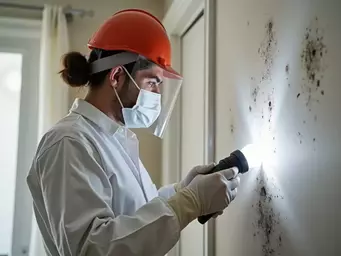
Mold exposure can lead to a variety of health issues, particularly for individuals with respiratory problems, allergies, or weakened immune systems. Common symptoms include:

  • Respiratory problems like asthma and chronic cough
  • Skin irritation and allergic reactions
  • Fatigue and headaches
  • In severe cases, mold exposure can lead to neurological issues

It's critical for landlords to recognize these risks and address mold issues swiftly. Ensuring that your properties are mold-free not only protects tenant health but can also enhance tenant satisfaction and retention!

How Mold Affects Property Value and Tenant Satisfaction

When mold issues arise, property values can take a significant hit. Potential tenants are often deterred by the prospect of living in mold-infested environments. Furthermore, high turnover rates due to dissatisfaction can lead to lost revenue. By maintaining a mold-free property, you can:

  • Enhance your property’s marketability
  • Attract quality tenants who appreciate a safe living environment
  • Increase the overall value of your investment

As part of my mission with Mold Removal Care, I emphasize the importance of creating healthy living spaces. The happier and healthier your tenants are, the more likely they are to renew their leases!

Mold Infestation Symptoms: Recognizing the Signs Early

Detecting mold early can save you from extensive damage and costly remediation. Some common signs of mold infestation include:

  • Visible mold growth on walls, ceilings, or floors
  • A musty odor that permeates the property
  • Water stains or discoloration on surfaces
  • Increased allergy-like symptoms among tenants

By familiarizing yourself with these symptoms, you can act quickly to mitigate mold risks. Remember, at Mold Removal Care, we provide extensive guides on effective mold prevention and remediation strategies that can help you maintain a healthy rental environment!

Essential Strategies for Effective Mold Prevention

Preventing mold in rental properties requires a proactive approach. Employing effective strategies can help you maintain a safe living space for tenants and protect your investment.

Let’s explore some essential strategies that can make a significant difference!

Pro Tip

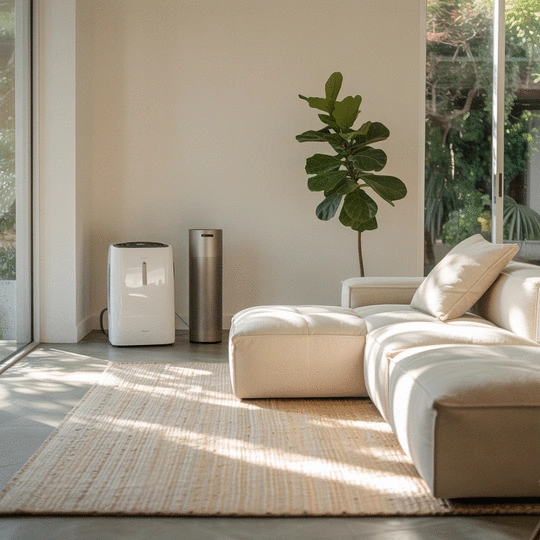
Did you know? Regular monitoring of indoor humidity levels is crucial in preventing mold growth. Keep humidity below 60% using dehumidifiers and ensure proper ventilation in areas prone to moisture, such as bathrooms and kitchens. A little proactive care goes a long way in maintaining a healthier living space!

Recap of Mold Prevention Best Practices for Landlords

As we dive into the importance of mold prevention, it’s essential to remember that effective management strategies not only protect your rental properties but also enhance tenant satisfaction. Here are some key takeaways from our discussions on effective mold management strategies:

  • Regular Inspections: Conducting routine inspections helps catch mold growth early and ensures your properties remain safe and healthy.
  • Humidity Control: Keeping humidity levels in check is crucial. Aim for indoor humidity below 60% to deter mold development.
  • Tenant Education: Providing tenants with resources on mold awareness fosters a proactive approach to maintaining their living spaces.

By implementing these practices, you can not only comply with local regulations but also create a thriving environment for your tenants. Remember, a mold-free property not only protects health but also enhances the overall value of your investment!

Taking Action: Developing a Mold Prevention Plan

Creating a comprehensive mold prevention plan is vital for landlords aiming to safeguard their rental properties against mold infestations. Here’s a step-by-step guide to help you establish an effective strategy:

Creating a Checklist for Regular Inspections and Maintenance

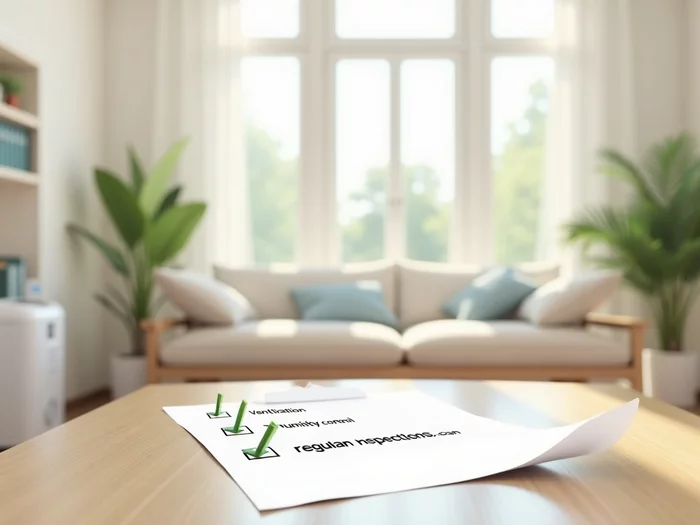
A well-structured checklist can streamline your inspection process. Here’s what to include:

  • Inspect basements and crawl spaces for dampness
  • Check bathrooms and kitchens for signs of leaks
  • Assess ventilation systems to ensure proper airflow
  • Look for water stains or discoloration on walls and ceilings

This checklist will ensure you cover all critical areas during inspections, making it easier to spot problems before they escalate. Remember, it’s better to act early!

Encouraging Ongoing Communication with Tenants

Open lines of communication with tenants are essential for effective mold prevention. Here are some tips to encourage this:

  • Establish a clear reporting process for maintenance issues
  • Provide tenants with contact information for quick responses
  • Regularly remind tenants about the importance of reporting leaks or musty odors

By fostering a culture of communication, tenants will feel comfortable bringing issues to your attention, helping you address problems promptly and maintain a healthy rental environment.

Emergency Repairs: Addressing Water Damage Promptly

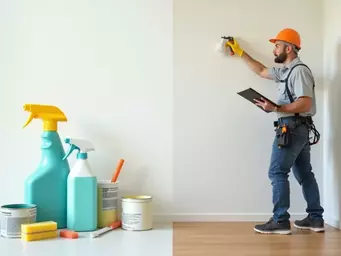
Water damage can lead to mold development almost overnight, so it’s crucial to act swiftly. Here’s how to tackle emergency repairs:

  • Identify and stop the source of water intrusion immediately
  • Remove any wet materials, such as carpets or drywall, to prevent mold growth
  • Use fans and dehumidifiers to dry the affected area quickly
  • Consider hiring professionals for extensive water damage restoration

Taking decisive action in emergencies not only protects your property but also demonstrates to your tenants that their health and safety are your top priorities. Remember, staying on top of water issues is a key part of mold prevention!

Frequently Asked Questions (FAQs) About Mold Prevention in Rental Properties

Here are some common questions landlords and property managers have about mold and its prevention:

Q1: What are the primary health risks associated with mold exposure for tenants?
A1: Mold exposure can cause respiratory problems (like asthma and chronic cough), skin irritation, allergic reactions, fatigue, and headaches. In severe cases, it can lead to neurological issues, making prompt action crucial for tenant health.
Q2: How does mold impact property value and tenant satisfaction?
A2: Mold can significantly decrease property marketability, deter potential tenants, and increase turnover rates, leading to lost rental revenue. Maintaining a mold-free property enhances investment value, attracts quality tenants, and encourages lease renewals, fostering positive landlord-tenant relationships.
Q3: What are the early signs of a mold infestation that landlords should look for?
A3: Early signs include visible mold growth on surfaces, a musty odor, water stains or discoloration, and an increase in allergy-like symptoms among tenants. Timely detection can prevent extensive damage and costly remediation.
Q4: What is the recommended humidity level to prevent mold growth in rental properties?
A4: It is crucial to keep indoor humidity levels below 60%. This can be achieved using dehumidifiers and ensuring proper ventilation, especially in moisture-prone areas like bathrooms and kitchens.
Q5: Why is tenant communication important for mold prevention?
A5: Open communication with tenants is essential for early detection and prompt resolution of mold issues. Establishing a clear reporting process for maintenance problems and regularly reminding tenants to report leaks or musty odors ensures that landlords are informed quickly, helping maintain a healthy environment.

Recap of Key Points

Here is a quick recap of the important points discussed in the article:
  • Regular Inspections: Conduct routine inspections to catch mold growth early and keep properties safe.
  • Humidity Control: Maintain indoor humidity levels below 60% to prevent mold development.
  • Tenant Education: Provide resources to tenants about mold awareness for proactive living space maintenance.
  • Emergency Repairs: Act swiftly to address water damage to prevent mold growth.
  • Ongoing Communication: Foster open communication with tenants to quickly resolve maintenance issues related to mold.

Subscribe & Share
Professional Help or DIY Mold? When to Call a Professional for Mold Prevention vs. DIY Solutions Understanding mold prevention is crucial for maintaining both health and property value. As mold can
Know When to Call for Mold When to Call a Professional for Mold Remediation: Signs and Symptoms What if I told you that a simple oversight in your home could lead to serious health risks? Understa
Seasonal Mold Prevention Tips Seasonal Mold Prevention Strategies: Summer, Winter, and Rainy Seasons Every season brings its own unique challenges when it comes to mold growth in our homes. By understa
Banner
Mold Removal Care

Your trusted partner for mold prevention and removal. We empower homeowners, renters, and property managers with actionable insights and practical advice to create healthier living environments.

Trusted by communities, our mission is to provide science-backed guidance backed by expert knowledge and industry standards.

Learn More
Recent Posts
When to Call a Professional for Mold Prevention vs. DIY Solutions Professional Help or DIY Mold?

Understanding mold prevention is crucial for maint

When to Call a Professional for Mold Remediation: Signs and Symptoms Know When to Call for Mold

What if I told you that a simple oversight in your

Seasonal Mold Prevention Strategies: Summer, Winter, and Rainy Seasons Seasonal Mold Prevention Tips

Every season brings its own unique challenges when

Mold Removal Tips