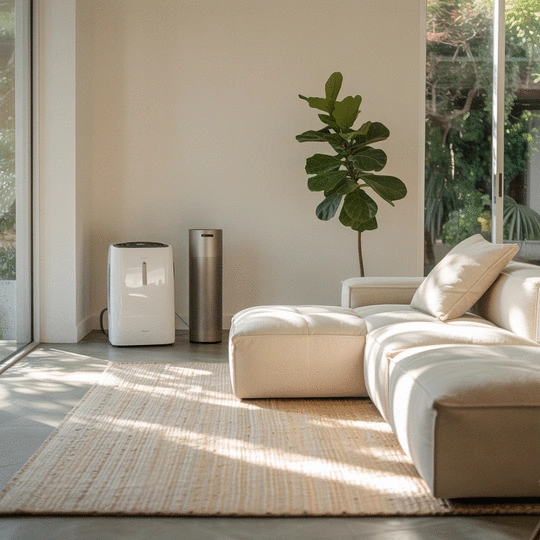
Immediate Drying (24-48 hrs): Use fans/dehumidifiers for affected areas.
Mold Prevention After Water Damage
Posted on: 2025-12-09
By: Jordan Blake
Did you know that mold can start growing in your home within just 24 to 48 hours of water exposure? Understanding this crucial fact can help you take immediate steps to protect your space and prevent costly mold infestations.
What You Will Learn
- Water damage is a primary catalyst for mold growth, making immediate action essential.
- Mold can thrive in conditions with high humidity, poor ventilation, and organic materials.
- The lifecycle of mold includes spore germination, hyphal growth, colonization, and reproduction.
- Adopting immediate and long-term strategies, such as using dehumidifiers and ensuring proper ventilation, can significantly reduce mold risk.
- Common mistakes to avoid include neglecting poorly ventilated areas and assuming small mold patches can be ignored.
Mold Growth Timeline and Prevention Strategies
Understanding the critical timeline for mold growth and implementing effective prevention strategies are key to maintaining a healthy home environment.
Mold Growth Timeline After Water Exposure
24-48hrs
Spore Germination: Mold begins to grow in moist environments.
3-7days
Hyphal Growth & Colonization: Visible mold patches start to form.
1-2wks
Reproduction & Infestation: Mold spreads, releasing more spores.
*Immediate action is crucial to prevent widespread growth.*
Key Mold Prevention Strategies
Humidity Control: Keep indoor levels below 60% (ideally 30-50%).
Proper Ventilation: Ensure good airflow in bathrooms, kitchens, and basements.
Regular Inspections: Check for leaks and moisture build-up frequently.
*Consistent application of these steps significantly reduces mold risk.*
Understanding the Mold Growth Process After Water Damage
When water damage occurs in your home, it can quickly lead to more significant issues like mold growth. At Mold Removal Care, we understand that water acts as a catalyst for mold spores, creating an environment where they can thrive. By knowing how water damage creates a breeding ground for mold, you can take proactive steps to protect your space.
Did you know that mold can begin to grow within just 24 to 48 hours after water exposure? That's why immediate action is crucial to mitigate risks. Understanding these dynamics will help you tackle mold prevention more effectively.
How Water Damage Creates a Breeding Ground for Mold
Water damage provides the perfect combination of moisture and organic material that mold needs to grow. Common sources of water damage include:
- Leaking roofs or windows
- Flooding due to storms
- Burst pipes or plumbing issues
- Condensation in poorly ventilated areas
In each of these situations, mold can start to develop swiftly, especially in areas that are not frequently checked. Being vigilant and addressing water issues promptly is essential to prevent mold from taking hold.
The Lifecycle of Mold: From Spore to Infestation
Mold begins its lifecycle as tiny spores that are often invisible to the naked eye. These spores float through the air and can settle on various surfaces when conditions are right. When they land in a moist environment, they can germinate and grow, leading to infestation. The stages of mold growth include:
- Spore Germination: The initial stage when spores find moisture.
- Hyphal Growth: At this stage, mold develops thread-like structures.
- Colonization: This is when the mold spreads and forms colonies.
- Reproduction: Mold releases more spores, perpetuating the cycle.
Understanding this lifecycle can help you spot potential mold issues early and take action to prevent larger infestations.
Mold Growth Conditions: What Makes Mold Flourish?
Mold thrives in specific conditions, which is why understanding these factors is key to prevention. Some of the primary conditions that encourage mold growth include:
- High humidity levels (above 60%)
- Dark and damp environments
- Presence of organic materials like wood, paper, or fabric
- Poor ventilation that traps moisture
By identifying and addressing these conditions in your home, you can create an environment that is less hospitable to mold growth. Simple actions like improving ventilation and reducing humidity can make a significant difference!
Interactive Poll: Your Experience with Mold
Have you ever dealt with mold growth in your home after water damage? We'd love to hear about your experience! Share your thoughts below:
Frequently Asked Questions About Mold Prevention
How quickly can mold grow after water exposure?
Mold can begin to grow within 24 to 48 hours after water exposure, highlighting the importance of immediate action to dry affected areas.
What are the primary conditions that encourage mold growth?
Mold thrives in conditions with high humidity (above 60%), dark and damp environments, the presence of organic materials (like wood, paper, or fabric), and poor ventilation.
What are the key stages of mold growth?
The lifecycle of mold includes spore germination (when spores find moisture), hyphal growth (development of thread-like structures), colonization (spreading and forming colonies), and reproduction (releasing more spores).
What immediate steps should I take after water damage to prevent mold?
Immediate actions include conducting a thorough visual inspection, using dehumidifiers and fans to dry affected areas within 24-48 hours, and wearing personal protective equipment (PPE) during cleanup.
What are some long-term strategies for mold prevention?
Long-term strategies involve investing in mold-resistant materials, maintaining optimal indoor humidity levels (ideally 30-50%), ensuring proper ventilation throughout your home, and regularly inspecting for leaks and moisture buildup.
Summarizing Key Steps for Effective Mold Prevention
Understanding how to prevent mold growth after water damage is essential for maintaining a healthy home environment. Here’s a quick recap of the immediate actions you should take, along with long-term strategies that will help ensure your space remains mold-free.
Recap of Immediate and Long-Term Strategies
When it comes to mold prevention, timing is crucial! Here are the steps you should follow:
- Immediate Actions: Conduct a thorough visual inspection, utilize dehumidifiers and fans to dry out affected areas, and wear personal protective equipment (PPE) during cleanup.
- Long-Term Strategies: Invest in mold-resistant materials, maintain optimal indoor humidity levels, and ensure proper ventilation throughout your home.
- Regular Monitoring: Continually check for leaks or water intrusion and keep an eye on areas prone to moisture build-up.
By following these strategies, you can significantly reduce the risk of mold returning after water damage. Remember, prevention is always more manageable than remediation!
Common Mistakes to Avoid in Mold Prevention
Even with the best intentions, it’s easy to overlook certain aspects of mold prevention. Here are some common mistakes to avoid:
- Neglecting areas with poor ventilation, such as attics or basements.
- Failing to regularly check and change HVAC filters to improve air quality.
- Assuming that a small mold patch can be ignored or easily fixed without proper inspection.
Avoiding these pitfalls can save you time, money, and the hassle of dealing with larger mold issues in the future. Remember, at Mold Removal Care, we're here to help you navigate these challenges and empower you with the knowledge to create a mold-free environment.
Take Action: Resources and Next Steps
Taking the right steps is crucial for effective mold prevention. Let’s dive into some resources that can help you stay proactive!
Downloadable Checklist for Mold Prevention After Water Damage
To make things easier, we’ve created a handy downloadable checklist for you! This guide will walk you through the essential steps to take after experiencing water damage, ensuring that you don’t miss anything important. It’s a great tool to keep handy for quick reference!
Connect with Professionals for Comprehensive Mold Solutions
Sometimes, the best course of action is to consult with experts. Connecting with professionals can provide you with tailored solutions and peace of mind. At Mold Removal Care, we can connect you with local specialists who can offer extensive services for mold remediation and prevention.
Exploring Flood Insurance Options for Home Protection
Lastly, consider reviewing your flood insurance options. Flooding can lead to significant water damage, and having the right insurance can make a world of difference. Here are some key points to consider:
- Check if your homeowner's insurance covers water damage.
- Consider purchasing additional flood insurance if you live in a high-risk area.
- Understand the terms and conditions of your policy to ensure you’re adequately covered.
By taking these steps, you’ll be well on your way to protecting your home from mold and ensuring a safer, healthier living environment!
Recap of Key Points
Here is a quick recap of the important points discussed in the article:
- Mold can grow within 24 to 48 hours after water exposure, making immediate action essential.
- Common sources of water damage include leaking roofs, flooding, burst pipes, and condensation.
- Mold's lifecycle includes spore germination, hyphal growth, colonization, and reproduction.
- Mold flourishes in high humidity, dark environments, and areas with organic materials.
- Immediate Actions: Inspect areas, use dehumidifiers, and wear PPE during cleanup.
- Long-Term Strategies: Invest in mold-resistant materials, maintain humidity levels, and ensure proper ventilation.
- Regular monitoring for leaks and moisture build-up is crucial for mold prevention.
- Avoid neglecting poorly ventilated areas and small mold patches to prevent larger issues.
2026-02-20
Professional Help or DIY Mold?
 Understanding mold prevention is crucial for maintaining both health and property value. As mold can
2026-02-13
Know When to Call for Mold
 What if I told you that a simple oversight in your home could lead to serious health risks? Understa
2026-02-08
Seasonal Mold Prevention Tips
 Every season brings its own unique challenges when it comes to mold growth in our homes. By understa