Mold Removal Insights

Subscribe to Mold Removal Care for expert advice on mold remediation, prevention strategies, and indoor air quality improvement.

Mold Prevention Tips for Homeowners


DIY Mold Prevention: Simple Steps to Keep Your Home Mold-Free

Posted on: 2025-11-30
By: Jordan Blake


The journey towards a mold-free home begins with understanding the risks and implementing proactive measures. Did you know that a simple adjustment in humidity can significantly reduce mold growth in your living space? Let's dive into the key insights on DIY mold prevention.

What You Will Learn

  • The importance of a mold-free environment for your family's health and home value.
  • Common causes of mold growth, including humidity levels and water leaks.
  • Health risks associated with mold exposure, such as allergic reactions and respiratory issues.
  • Key steps for effective mold prevention, including regular inspections and humidity control.
  • The necessity of consistency in mold maintenance practices to promote a healthier living space.

Key Pillars of Effective Mold Prevention

Maintaining a mold-free home requires understanding common causes, health risks, and consistent prevention strategies. Below is a breakdown of these crucial aspects.

Common Causes of Mold Growth

  • High humidity levels (kitchens, bathrooms)
  • Leaks (roofs, pipes, appliances)
  • Flooding or unaddressed water damage

*Moisture is mold's best friend

Health Risks from Mold Exposure

  • Allergic reactions (sneezing, rashes)
  • Respiratory problems (especially asthma)
  • Chronic fatigue or headaches

*Protect your family's well-being

Essential Prevention Strategies

  • Control humidity below 60%
  • Address water leaks immediately
  • Ensure proper ventilation & airflow

*Proactive care for a healthier home

Key Maintenance Practices

  • Regularly inspect prone areas
  • Clean & maintain HVAC systems
  • Use mold-resistant materials

*Consistency is vital for prevention

Understanding DIY Mold Prevention: Why It Matters for Your Home

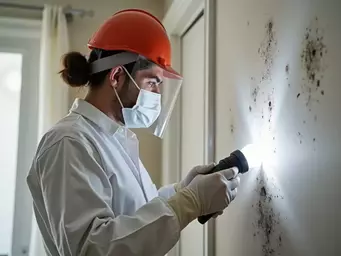
When it comes to maintaining a healthy living space, understanding DIY mold prevention is critical. Mold not only affects the aesthetic of your home but also poses serious health risks. As the founder of Mold Removal Care, I’ve seen firsthand how a proactive approach can save countless headaches down the road. So, let’s explore why keeping your home mold-free matters!

Recognizing the Importance of a Mold-Free Home

A mold-free home is more than just a nice idea; it’s essential for your family's well-being. Mold can lead to various problems, including damage to your property and long-term health issues. Ensuring that your home remains free of mold is crucial for safeguarding your investment as well as your loved ones.

  • Improved air quality enhances overall health
  • Prevention of structural damage to your home
  • Reduction in allergies and respiratory issues

As you can see, the benefits of embracing mold prevention practices are numerous. A small effort today can lead to a healthier, safer home tomorrow!

Common Causes of Mold Growth in Households

Understanding what encourages mold growth is the first step in prevention. Mold thrives in damp, humid conditions, which can easily occur in various areas of your home. Some common causes include:

  • High humidity levels, especially in kitchens and bathrooms
  • Leaks from roofs, pipes, or appliances
  • Flooding or water damage that hasn't been adequately addressed

By identifying these causes, you can proactively address them, reducing the risk of mold in your home!

Health Risks Associated with Mold Exposure

Being aware of the health risks linked to mold exposure is vital. Mold can produce allergens and irritants that may affect your family’s well-being. Common health issues include:

  • Allergic reactions like sneezing and skin rashes
  • Respiratory problems, especially for those with asthma
  • Chronic fatigue or headaches

If you suspect mold in your home, don't ignore it! Taking action to address mold can help maintain a healthy environment for everyone.

Identifying Common Mold Symptoms in Your Family

Recognizing the signs of mold exposure is essential for prompt action. Common symptoms among family members may include:

  • Persistent coughing or wheezing
  • Frequent headaches
  • Moodiness or increased irritability

If you notice these symptoms, it might be time to investigate further. By understanding the indicators, you can take the necessary steps for remediation, ensuring your home remains a safe haven!

We Want to Hear From You!

What is your biggest concern when it comes to mold prevention in your home? Share your thoughts below:

Frequently Asked Questions About DIY Mold Prevention

Below are some common questions about preventing mold in your home.

Q1: What are the primary causes of mold growth in a home?
A1: Mold commonly grows in areas with high humidity levels (like kitchens and bathrooms), from leaks in roofs, pipes, or appliances, and from unaddressed water damage or flooding.
Q2: What health issues can mold exposure cause?
A2: Mold exposure can lead to various health problems, including allergic reactions (sneezing, skin rashes), respiratory issues (especially for individuals with asthma), and chronic fatigue or headaches.
Q3: What are the key steps for effective mold prevention?
A3: Key steps include regularly inspecting prone areas, controlling humidity levels below 60% with dehumidifiers, maintaining proper ventilation and airflow, using mold-resistant materials, and immediately addressing any water leaks or damage.
Q4: Why is consistency important in mold maintenance practices?
A4: Consistency is vital because it establishes a proactive routine that significantly reduces the risk of mold growth. Regular checks, cleaning, and maintenance help address potential issues before they become severe, contributing to a healthier living environment.
Q5: Where can I find more resources for comprehensive mold awareness?
A5: Reputable sources include the EPA Mold Resource Center, CDC Mold Prevention Guidelines, and dedicated resources from organizations like Mold Removal Care, which offer tips and advice for DIY mold prevention.

Summarizing Key Steps for Effective Mold Prevention

At Mold Removal Care, we believe that understanding the steps to a mold-free environment is crucial for every homeowner. By implementing effective mold prevention strategies, you can ensure your home remains a safe and healthy space for you and your family. Here's a quick recap of essential actions to keep mold at bay!

  • Regularly inspect areas prone to mold, such as bathrooms and basements.
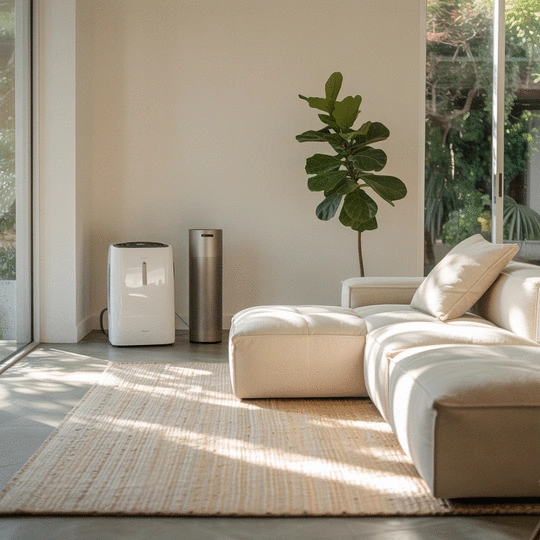
  • Control humidity levels to stay below 60% using dehumidifiers.
  • Keep ventilation systems clean and ensure proper airflow throughout your home.
  • Utilize mold-resistant materials during home improvements.
  • Address any water leaks or damage immediately to prevent mold growth.

By following these key steps, you can create a proactive approach to mold prevention. Remember, staying informed and vigilant is your best defense against mold issues!

Encouraging Consistency in Mold Maintenance Practices

Consistency is the name of the game when it comes to maintaining a mold-free home. I often tell my clients that making mold prevention a regular part of home maintenance can significantly reduce risks. Here are some easy practices to incorporate:

  • Establish a routine for checking humidity levels.
  • Conduct seasonal inspections for any signs of mold or moisture issues.
  • Regularly clean and maintain HVAC systems to promote better air quality.
  • Use natural cleaning products to avoid harsh chemicals while preventing mold.

By adopting these consistent practices, you can create a healthier living environment. It's all about being proactive and staying ahead of mold growth. Let’s work together to make your home a safe haven!

Taking Action: Your Next Steps Towards a Healthier Home

Getting Started with Your DIY Mold Prevention Journey

Starting your DIY mold prevention journey can feel overwhelming, but it doesn’t have to be! Begin by assessing your home and identifying potential mold risk areas. We recommend following these initial steps:

  • Check the humidity levels in your home using a hygrometer.
  • Inspect common mold hotspots, including bathrooms and kitchens.
  • Create a mold prevention checklist tailored to your household needs.
  • Educate yourself on the various mold prevention techniques.

As you embark on this journey, remember that knowledge is power. At Mold Removal Care, we’re here to support you with resources and advice tailored to your situation!

Resources and Further Reading for Comprehensive Mold Awareness

To enhance your understanding of mold prevention, I encourage you to explore a variety of resources. Here are a few I find particularly helpful:

Staying informed through reputable sources will empower you to make the best decisions for your home environment. We’re all in this together!

Understanding Building Codes and Environmental Safety for Homeowners

As a homeowner, it's crucial to be aware of building codes and environmental safety regulations in your area. These guidelines can often help prevent mold growth right from the construction phase. Here are a few considerations:

  • Familiarize yourself with local building codes concerning moisture management.
  • Consult with professionals when making significant home improvements to ensure compliance.
  • Stay updated on best practices for ventilation and insulation that promote safety.

By understanding the regulations that pertain to your home, you not only protect your investment but also enhance the health of your living space. Let’s champion safer, healthier homes together at Mold Removal Care!

Recap of Key Points

Here is a quick recap of the important points discussed in the article:
  • Understanding DIY mold prevention is essential for maintaining a healthy living environment.
  • Common causes of mold growth include high humidity, leaks, and water damage.
  • Health risks associated with mold exposure can lead to allergic reactions and respiratory issues.
  • Regular inspections and controlling humidity levels are key strategies for mold prevention.
  • Consistency in mold maintenance practices can significantly reduce risks.
  • Educating yourself about mold prevention techniques empowers proactive action.

Subscribe & Share
Professional Help or DIY Mold? When to Call a Professional for Mold Prevention vs. DIY Solutions Understanding mold prevention is crucial for maintaining both health and property value. As mold can
Know When to Call for Mold When to Call a Professional for Mold Remediation: Signs and Symptoms What if I told you that a simple oversight in your home could lead to serious health risks? Understa
Seasonal Mold Prevention Tips Seasonal Mold Prevention Strategies: Summer, Winter, and Rainy Seasons Every season brings its own unique challenges when it comes to mold growth in our homes. By understa
Banner
Mold Removal Care

Your trusted partner for mold prevention and removal. We empower homeowners, renters, and property managers with actionable insights and practical advice to create healthier living environments.

Trusted by communities, our mission is to provide science-backed guidance backed by expert knowledge and industry standards.

Learn More
Recent Posts
When to Call a Professional for Mold Prevention vs. DIY Solutions Professional Help or DIY Mold?

Understanding mold prevention is crucial for maint

When to Call a Professional for Mold Remediation: Signs and Symptoms Know When to Call for Mold

What if I told you that a simple oversight in your

Seasonal Mold Prevention Strategies: Summer, Winter, and Rainy Seasons Seasonal Mold Prevention Tips

Every season brings its own unique challenges when

Mold Removal Tips