⚡
Non-Invasive & Accurate Detection
Identifies hidden moisture without physical damage, ensuring quick and safe assessments with minimal cleanup.
Subscribe to Mold Removal Care for expert advice on mold remediation, prevention strategies, and indoor air quality improvement.
Posted on: 2025-12-31
By: Jordan Blake
Have you ever considered how the latest technologies can revolutionize the way we handle mold detection? Thermal imaging technology is transforming the landscape, enabling us to identify potential issues before they escalate. Let's explore the key insights from this innovative approach!
Thermal imaging offers significant benefits for mold detection, enhancing accuracy and efficiency, especially when combined with moisture meters.
Identifies hidden moisture without physical damage, ensuring quick and safe assessments with minimal cleanup.
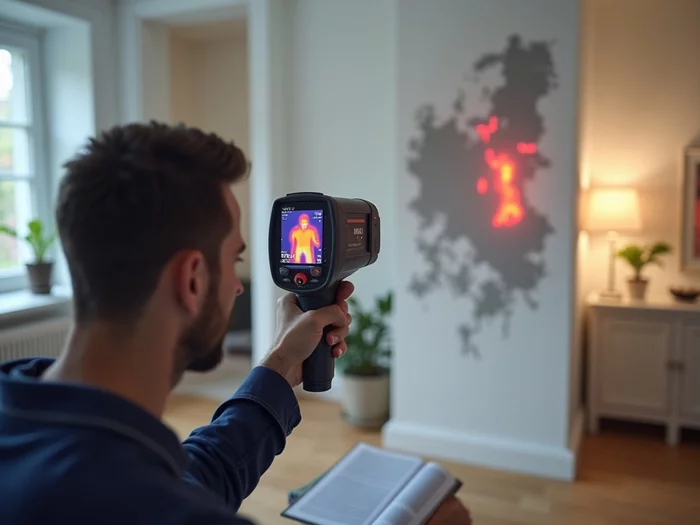
Thermal imaging technology is a game changer for mold detection. But what exactly is it? Thermal imaging uses infrared radiation to create images based on temperature variations in surfaces. This means that it can spot areas that might be harboring moisture—an essential factor for mold growth—without any physical intrusion. With thermal imaging, we can identify potential problem spots behind walls, under floors, and in hard-to-reach areas, making it a key tool in our mold remediation toolkit.
As someone deeply invested in mold prevention and remediation, I see how this technology enhances our ability to maintain healthy living environments. By understanding how thermal imaging works, we can better assess risks and take proactive steps to mitigate mold issues before they escalate.
At its core, thermal imaging involves capturing infrared radiation emitted from objects and converting it into a visual image that highlights temperature differences. This technology can detect even slight changes in temperature, which is crucial for identifying moisture problems that often lead to mold.
By recognizing temperature differences, we can identify possible leaks or damp areas before they become major problems. This non-invasive approach saves time and helps us address mold risks swiftly.
Understanding the physics of thermal patterns in building materials is essential for effective mold detection. When there’s a water leak or high humidity, specific building materials will exhibit different thermal properties than their dry counterparts. This allows thermal imaging to provide us with a clearer picture of moisture presence.
Mold thrives in damp conditions, so identifying areas with trapped moisture is key. When we analyze thermal images, we look for cold spots that could indicate moisture accumulation, while warm spots might signal heat sources or improperly insulated areas. By examining these patterns, we can assess the risk of mold development accurately.
Adopting thermal imaging technology offers several advantages that enhance mold inspection efficiency. At Mold Removal Care, we emphasize the benefits of using this method for both homeowners and property managers.
One of the biggest perks of thermal imaging is its non-invasive nature. Unlike traditional methods that often require drilling or disturbing walls, thermal imaging allows us to conduct thorough inspections with minimal disruption.
This means less hassle for homeowners and faster, more accurate assessments for property managers. Being able to pinpoint issues without causing damage is invaluable in our mission to promote healthier living spaces.
Thermal imaging can also lead to significant cost savings over time. While the initial investment in thermal imaging technology might seem high, the long-term benefits often outweigh the costs.
By integrating thermal imaging into your mold detection strategy, you can save money and ensure a proactive approach to maintaining a safe, mold-free environment.
While thermal imaging is powerful, it's even more effective when paired with moisture meters. These devices measure the moisture content in building materials, giving us precise data to complement thermal readings. Here’s how they work together:
By employing both thermal imaging and moisture meters, we can offer clients at Mold Removal Care the most thorough assessments possible. Together, they empower us to tackle mold challenges with confidence and precision.
To maximize the effectiveness of thermal imaging in mold detection, consider combining it with moisture meters. This duo not only confirms findings from thermal scans but also provides precise moisture content readings, allowing for targeted remediation efforts and a more comprehensive assessment of mold risks in your property.
Thermal imaging uses infrared radiation to create images based on temperature variations on surfaces. Mold thrives in damp conditions, and moist areas often exhibit temperature differences (e.g., cold spots due to evaporation or water intrusion) that thermal cameras can detect. This allows for the identification of potential moisture issues that could lead to mold growth, even behind walls or under floors.
Yes, thermal imaging is entirely non-invasive. It allows inspectors to scan surfaces for temperature anomalies without needing to drill holes, remove drywall, or cause any physical damage to the property. This results in quicker assessments, less cleanup, and increased safety by minimizing direct contact with potential mold.
While thermal imaging can identify potential moisture areas, moisture meters provide precise, quantitative data on the actual moisture content within building materials. By using both tools, inspectors can cross-verify thermal findings and determine the exact moisture levels, leading to more accurate diagnoses and targeted remediation strategies.
Absolutely. Thermal imaging enables early detection of moisture issues, which are the precursors to mold growth. By identifying and addressing these problems early, homeowners and property managers can prevent mold from spreading and escalating into larger, more costly remediation projects. It also makes repairs more efficient by pinpointing the exact problem areas.
The main advantages include its non-invasive nature (no damage to property), accuracy in identifying hidden moisture, cost-effectiveness through early detection and efficient repairs, and the ability to provide quick assessments. When combined with moisture meters, it offers a comprehensive and precise approach to mold detection.
As we've explored, the use of thermal imaging for mold detection offers significant advantages in modern building inspections. By detecting temperature variations, this technology provides a non-invasive method to identify potential moisture issues before they escalate into serious mold problems. The ability to pinpoint hidden moisture can save homeowners and property managers significant time, effort, and costs in mold remediation.
Moreover, as technology continues to evolve, so too does the effectiveness of thermal imaging. It's exciting to think about the future possibilities for this tool in enhancing indoor air quality and promoting healthier living environments. With tools like thermal imaging, we can better safeguard our homes and ensure safe spaces for our families!
If you’re considering how thermal imaging can fit into your mold detection strategy, you’re making a wise choice! Integrating this technology into your inspection practices can not only improve detection rates but also enhance your overall strategy in managing mold risks. At Mold Removal Care, we encourage homeowners, renters, and property managers to explore the full potential of thermal imaging.
Additionally, you can find numerous resources online that delve deeper into thermal imaging technology and how it can be effectively used in mold detection scenarios. Remember, equipping yourself with the right knowledge is key to ensuring a mold-free environment!
When utilizing thermal imaging for mold detection, it's crucial to ensure compliance with relevant building codes and safety regulations. This not only protects the integrity of your inspection practices but also ensures that you are operating within legal guidelines.
By adhering to these guidelines, you enhance not only the credibility of your inspection practices but also contribute to a safer community. Remember, at Mold Removal Care, we are committed to fostering healthier living spaces through education and effective mold management strategies!
Here is a quick recap of the important points discussed in the article: