Mold Removal Insights

Subscribe to Mold Removal Care for expert advice on mold remediation, prevention strategies, and indoor air quality improvement.

Mold Remediation Safety Tips


Safety Precautions During Mold Remediation: Expert Insights

Posted on: 2026-01-13
By: Jordan Blake


Did you know that mold exposure can lead to serious health issues? Understanding how to identify and remediate mold is crucial for maintaining a safe and healthy living environment. Here’s what you will learn about mold risks and safety precautions.

What You Will Learn

  • Mold exposure can trigger allergic reactions, respiratory problems, fatigue, and infections in vulnerable individuals.
  • Mold spores can travel long distances through the air, emphasizing the importance of indoor air quality management.
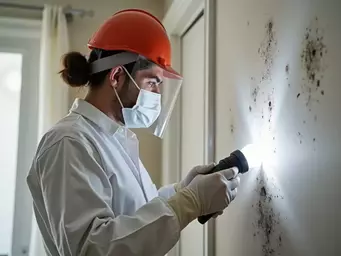
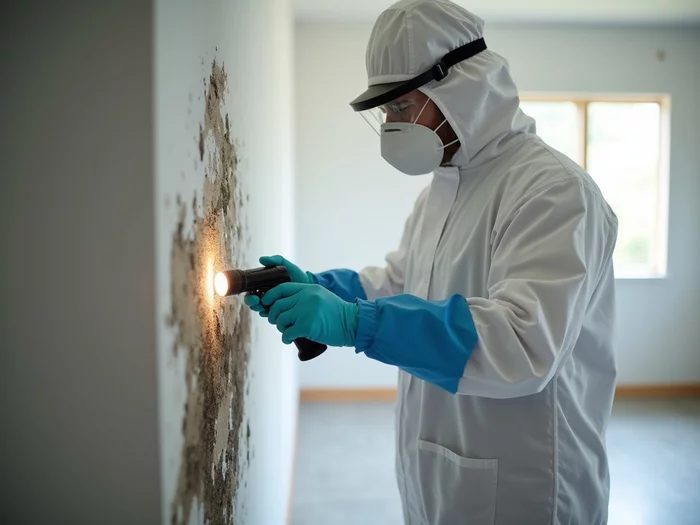
  • Personal Protective Equipment (PPE) such as masks, gloves, and goggles is essential for safe mold remediation.
  • Effective ventilation and dehumidification help minimize mold growth and improve indoor air quality.
  • Containment procedures during remediation prevent mold spores from spreading to unaffected areas.
  • Proper disposal methods for contaminated materials are crucial for health and environmental safety.

Mold Remediation Safety Essentials

Understanding and implementing safety measures during mold remediation is crucial for protecting your health. Below is a visual guide to key safety considerations and equipment.

Health Risks of Mold Exposure

  • Allergic reactions (sneezing, rashes)
  • Respiratory problems (asthma attacks)
  • Fatigue & Headaches
  • Infections (for immune-compromised)

Key Safety Equipment (PPE)

  • Respirators/Masks (N95)
  • Gloves (Rubber/Nitrile)
  • Protective Suits/Coveralls
  • Goggles

Role of Safety Equipment

  • Prevents spore spread
  • Dehumidifiers (prevent regrowth)
  • HEPA filters (capture spores)
  • Containment Barriers

Key Safety Takeaways

  • Personal Protective Equipment (PPE) is a must.
  • Containment Procedures prevent spread.
  • Ventilation is crucial during remediation.
  • Proper Disposal protects health & environment.

Understanding the Health Risks of Mold Exposure

Mold is more than just an unsightly nuisance in our homes; it poses serious health risks that we should all be aware of. Exposure to mold can trigger a range of health issues, particularly for those with allergies or respiratory problems. Common symptoms include sneezing, coughing, eye irritation, and skin rashes. For individuals with asthma or compromised immune systems, the presence of mold can lead to more severe reactions, making it crucial to address any mold issues promptly!

Identifying Common Health Concerns

  • Allergic reactions, which may manifest as sneezing, runny nose, or skin irritation
  • Respiratory problems, including asthma attacks and chronic cough
  • Fatigue and headaches, often linked to prolonged mold exposure
  • Infections in individuals with weakened immune systems

Recognizing these health concerns helps underscore the importance of addressing mold in your space. If you notice any signs of mold growth, take action to investigate and remediate the situation. Ignoring mold can lead to long-term health consequences, so it's best to be proactive!

The Role of Mold Spores in Indoor Air Quality

Mold spores are microscopic particles that can easily circulate through the air in your home. When they become airborne, they can be inhaled, leading to various health problems. It's essential to understand how these spores contribute to indoor air quality issues, especially in damp environments. Poor air quality not only affects your health but can also lead to discomfort and reduced productivity.

  • Mold spores can travel long distances, infiltrating living spaces
  • They thrive in areas with high humidity and moisture
  • Regular cleaning and ventilation can mitigate their impact

By taking safety precautions, such as using dehumidifiers and improving ventilation, we can significantly reduce the presence of mold spores in our homes. Remember, maintaining a clean indoor environment is key to keeping both your air quality and overall health in check!

Essential Safety Gear for Effective Mold Remediation

When it comes to mold remediation, safety must always be the top priority. Using the right personal protective equipment (PPE) can shield you from harmful mold spores and ensure a safe cleanup process. At Mold Removal Care, we emphasize the importance of being prepared with the proper gear before tackling any mold issues.

Types of Personal Protective Equipment (PPE)

  • Respirators or masks to filter out harmful spores
  • Gloves made from rubber or nitrile to protect your hands
  • Protective suits or coveralls to safeguard your skin and clothing
  • Goggles to keep your eyes protected from mold and debris

Having the right PPE can make a world of difference during the remediation process. It allows you to work safely, knowing that you're minimizing exposure to harmful particles!

Importance of Respiratory Protection During Remediation

One of the most critical aspects of mold remediation is ensuring effective respiratory protection. Mold spores can easily enter your lungs, causing severe respiratory issues. Therefore, wearing a quality mask or respirator is essential to filter out these harmful particles.

  • N95 respirators are a popular choice for filtering airborne particles
  • Half-mask respirators provide a higher level of protection for extensive remediation tasks
  • Full-face respirators offer the best protection by covering both the mouth and eyes

It’s vital to select the correct type of mask based on the extent of mold exposure. Proper respiratory gear enables you to carry out remediation efforts with confidence!

Understanding the Role of Safety Equipment in Mold Removal

Using safety equipment during mold removal not only protects you but also enhances the effectiveness of your efforts. High-quality safety tools can prevent mold from spreading further as you tackle the problem. At Mold Removal Care, we advocate for a thorough understanding of the equipment you use.

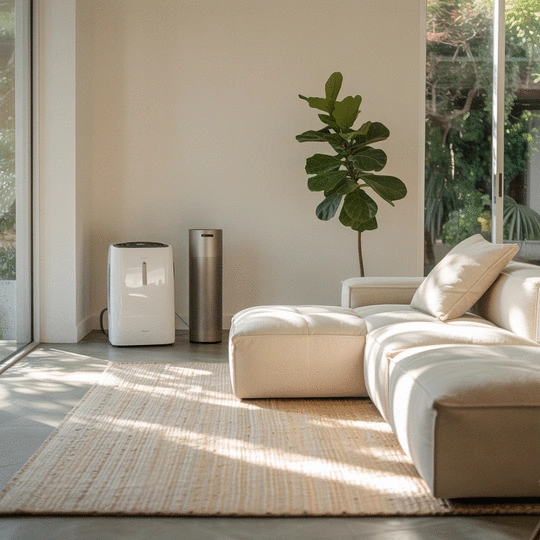
  • Dehumidifiers help maintain low humidity levels, crucial in preventing mold regrowth
  • HEPA filters effectively capture mold spores and allergens in the air
  • Sealing materials and containment barriers prevent cross-contamination

By incorporating the right safety equipment into your remediation strategy, you’re not only safeguarding your health but also ensuring a successful and lasting solution to mold problems!

We Want to Hear From You!

Have you ever experienced health issues due to mold exposure? Share your thoughts and experiences below:

Frequently Asked Questions (FAQs) About Mold Remediation Safety

Mold exposure can trigger allergic reactions (sneezing, rashes), respiratory problems (asthma attacks, chronic cough), fatigue, headaches, and infections, especially in individuals with compromised immune systems.

PPE, such as respirators, gloves, protective suits, and goggles, is crucial to shield you from harmful mold spores and minimize exposure during the cleanup process, ensuring your safety.

N95 respirators are commonly recommended for filtering airborne particles. For more extensive tasks, half-mask or full-face respirators offer a higher level of protection against spore inhalation.

Mold spores are microscopic and can easily become airborne, circulating through your home. When inhaled, they can cause health issues and lead to poor indoor air quality, especially in damp environments.

Containment procedures, such as sealing materials and barriers, are essential to prevent mold spores from spreading to unaffected areas. Proper ventilation and using HEPA filters also help control spore dissemination.

Summarizing Key Safety Takeaways for Mold Remediation

As we navigate the critical aspects of mold remediation, it's essential to recognize the importance of safety precautions. Here’s a quick recap of the key takeaways we've discussed:

  • Personal Protective Equipment (PPE) is a must! Always wear gloves, goggles, and an appropriate respirator.
  • Containment Procedures help prevent the spread of mold spores to other areas of your home.
  • Ventilation is crucial during remediation; ensure the area is well-ventilated to minimize exposure.
  • Proper Disposal methods for contaminated materials are vital to protect both your health and the environment.

By adhering to these safety guidelines, you’ll not only protect yourself but also create a safer environment for everyone in your home. Remember, prioritizing safety is not just a recommendation; it's a responsibility!

Additional Resources and Tools for Homeowners

To help you implement these safety measures effectively, I've compiled a list of valuable resources that you can use:

These resources are designed to empower you with the knowledge needed to tackle mold issues with confidence. After all, having the right tools and information can make all the difference!

Encouragement to Implement Safety Measures

As we wrap up this discussion on mold remediation safety, I want to stress the importance of taking these measures seriously. Whether you’re a homeowner, renter, or property manager, prioritizing safety can greatly reduce health risks associated with mold exposure. If the task feels overwhelming, don’t hesitate to seek professional help!

At Mold Removal Care, our mission is to educate and empower you to maintain mold-free environments. Remember, a safe approach to remediation not only protects your health but also ensures the well-being of everyone around you. Let's keep our living spaces healthy and mold-free together!

Recap of Key Points

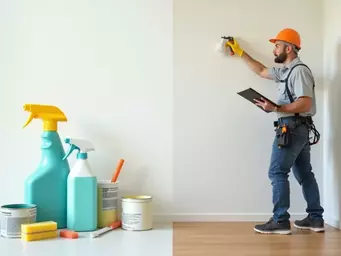
Here is a quick recap of the important points discussed in the article:
  • Health Risks: Mold exposure can trigger allergic reactions, respiratory issues, and fatigue, especially in vulnerable individuals.
  • Mold Spores: These microscopic particles can spread easily in damp environments, impacting indoor air quality and health.
  • Personal Protective Equipment (PPE): Essential for safety during mold remediation; includes masks, gloves, and goggles.
  • Respiratory Protection: Using masks like N95 or full-face respirators is crucial to prevent inhalation of mold spores.
  • Safety Equipment: Dehumidifiers and HEPA filters can help reduce mold growth and improve air quality.

Subscribe & Share
Professional Help or DIY Mold? When to Call a Professional for Mold Prevention vs. DIY Solutions Understanding mold prevention is crucial for maintaining both health and property value. As mold can
Know When to Call for Mold When to Call a Professional for Mold Remediation: Signs and Symptoms What if I told you that a simple oversight in your home could lead to serious health risks? Understa
Seasonal Mold Prevention Tips Seasonal Mold Prevention Strategies: Summer, Winter, and Rainy Seasons Every season brings its own unique challenges when it comes to mold growth in our homes. By understa
Banner
Mold Removal Care

Your trusted partner for mold prevention and removal. We empower homeowners, renters, and property managers with actionable insights and practical advice to create healthier living environments.

Trusted by communities, our mission is to provide science-backed guidance backed by expert knowledge and industry standards.

Learn More
Recent Posts
When to Call a Professional for Mold Prevention vs. DIY Solutions Professional Help or DIY Mold?

Understanding mold prevention is crucial for maint

When to Call a Professional for Mold Remediation: Signs and Symptoms Know When to Call for Mold

What if I told you that a simple oversight in your

Seasonal Mold Prevention Strategies: Summer, Winter, and Rainy Seasons Seasonal Mold Prevention Tips

Every season brings its own unique challenges when

Mold Removal Tips