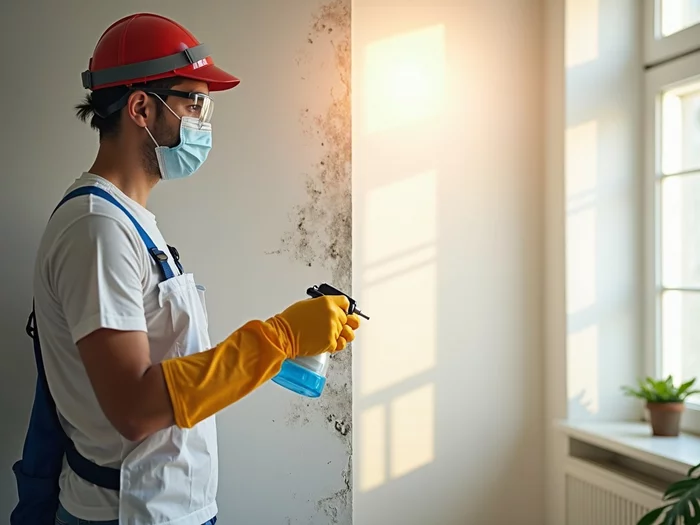
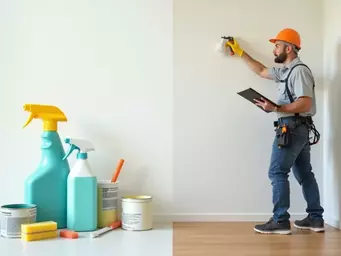
Consider this: 30% of homes in the U.S. experience mold issues at some point. Understanding how to properly address mold not only protects your property but also enhances your health and well-being. Here's what you need to know.
What You Will Learn
Mold remediation involves identifying and eliminating the source of mold, ensuring it doesn't return.
A thorough mold inspection is crucial for targeting specific problem areas, saving you time and money.
Mold removal focuses solely on the physical removal of visible mold but may not tackle underlying issues.
Prompt action is necessary when mold is detected, as it can lead to serious health risks if left unaddressed.
Comparing Mold Remediation vs. Mold Removal
Understanding the distinct approaches to handling mold is essential for effective and lasting solutions. The visual below highlights the key differences between mold remediation and mold removal.
Mold Remediation: The Comprehensive Approach
Focus: Identifying and eliminating the root cause, including moisture issues.
Health: Addresses health risks through comprehensive strategies.
Inspection
Containment
Mold Removal
Moisture Control
Mold Removal: The Direct Action
Focus: Removing visible mold from surfaces.
Duration: Short-term solution, often requires repeat treatments if root cause persists.
Health: May overlook ongoing issues or underlying causes.
Techniques: Scrubbing, Sanding, HEPA Vacuuming.
Cost & EPA Standards
Cost (Remediation): Typically higher due to extensive work.
Cost (Removal): Generally lower, but potential for hidden recurrent costs.
EPA Standards:
Prompt action & moisture control are key.
Understanding Mold Remediation and Mold Removal
Mold can be a serious issue for homeowners and property managers alike. At Mold Removal Care, we believe that understanding the differences between mold remediation and mold removal is crucial for maintaining a healthy living environment. In this section, we’ll break down what each term means and outline the essential processes involved.
What is Mold Remediation?
Mold remediation refers to the comprehensive process of identifying, containing, and eliminating mold from a space. It goes beyond just removing visible mold; it also involves addressing the underlying moisture issues that facilitate mold growth. This proactive approach ensures that mold does not return after treatment!
Key Processes Involved in Mold Remediation
Inspection: A thorough assessment of the property to identify mold-affected areas.
Containment: Isolating the affected areas to prevent the spread of spores during the remediation process.
Mold Removal: Safely removing mold using specialized techniques and equipment.
Moisture Control: Implementing solutions to manage humidity and prevent future mold growth.
Each of these steps is vital to ensure a long-lasting solution to mold problems. Remember, addressing just the visible mold won’t solve the issue if the moisture problem persists!
Importance of Mold Inspection Before Remediation
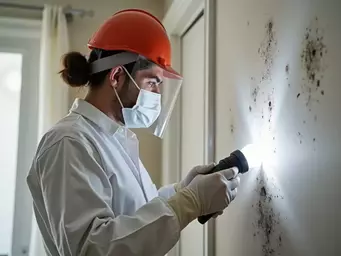
Before starting any remediation process, it's essential to conduct a detailed mold inspection. This step helps in identifying hidden mold sources and determining the extent of damage. An effective inspection can save you time and money by targeting specific problem areas rather than applying blanket solutions.
At Mold Removal Care, we recommend using a comprehensive inspection checklist to guide you through this vital phase, ensuring no mold goes unnoticed. It's the first step in creating a healthier living environment!
What is Mold Removal?
Mold removal, on the other hand, focuses specifically on the physical removal of mold from surfaces. This can often be a part of the larger remediation process but can also stand alone in less severe cases.
Common Techniques Used in Mold Removal
Scrubbing: Physically scrubbing surfaces with moldy growth using brushes and cleaning agents.
Sanding: For porous surfaces, sanding may be necessary to remove embedded mold.
HEPA Vacuuming: Using specialized vacuums to capture mold spores effectively.
It's important to note that while these techniques can clear visible mold, they don't address the root cause, which is essential for preventing recurrence.
When Mold Removal is Necessary
Mold removal is typically necessary when you see or smell mold in your living space. It's crucial to act promptly, as mold can spread quickly and lead to more significant health issues. If you notice:
Visible mold growth on ceilings, walls, or other surfaces.
A musty odor that lingers despite cleaning.
Signs of water damage, like stains or peeling paint.
These are all indicators that you need to consider mold removal as part of your immediate action plan. By addressing these issues head-on, you can ensure your home remains a safe and comfortable space.
Engage with Us!
Have you ever dealt with mold issues in your home? How did you approach it—did you opt for mold remediation or just removal? Share your experiences with us below!
Summarizing Key Differences between Mold Remediation and Removal
Understanding the nuances between mold remediation and mold removal is essential for effectively addressing mold issues in your home. While both processes aim to tackle mold infestations, they differ significantly in approach and outcome. Here’s a quick summary of these differences:
Mold Remediation focuses on identifying and addressing the source of mold, ensuring it doesn't return.
Mold Removal typically refers to the physical act of getting rid of visible mold.
Remediation includes repairing water damage and improving ventilation, while removal is often just the cleanup process.
Remediation is a long-term solution, whereas removal can be seen as a short-term fix.
By grasping these distinctions, you can make a more informed choice about which method is best for your situation. Let's dive deeper with a quick reference comparison table!
Quick Reference Comparison Table
Aspect
Mold Remediation
Mold Removal
Focus
Identifying and eliminating the root cause
Removing visible mold
Duration
Long-term solution
Short-term solution
Health Considerations
Addresses health risks through comprehensive strategies
May overlook ongoing issues
Cost
Typically higher due to extensive work
Generally lower but may require repeat treatments
By looking at this table, it's clear that investing in mold remediation might save you from future headaches and additional costs, especially if you’re facing a serious mold problem.
Mold Guidelines and Regulations You Should Know
In navigating the world of mold treatment, it's important to stay informed about the guidelines and regulations that govern mold management. The Environmental Protection Agency (EPA) plays a crucial role in setting standards to ensure public health and safety.
The EPA provides valuable resources and guidelines for mold remediation practices. Here are a few key points to keep in mind:
The EPA recommends addressing any mold issues promptly to minimize health risks.
They advocate for proper moisture control as the first line of defense against mold growth.
When engaging with mold services, check whether they adhere to EPA recommendations for safety and effectiveness.
By following these guidelines, you can ensure that you are taking the right steps towards a mold-free home. Remember that at Mold Removal Care, we’re dedicated to empowering you with the knowledge you need for effective mold management!
Frequently Asked Questions About Mold Remediation and Removal
Here are some common questions about dealing with mold in your home:
What is the primary difference between mold remediation and mold removal?
Mold remediation is a comprehensive process that identifies and eliminates the root cause of mold, including moisture issues, to prevent recurrence. Mold removal, on the other hand, focuses solely on the physical removal of visible mold from surfaces.
Why is a mold inspection important before remediation?
A detailed mold inspection is crucial to identify hidden mold sources, determine the extent of the damage, and target specific problem areas, which saves time and money by avoiding blanket solutions.
What are the key steps involved in mold remediation?
The key steps in mold remediation include inspection, containment of affected areas, safe mold removal using specialized techniques, and implementing moisture control solutions to prevent future growth.
When should I opt for mold removal instead of remediation?
Mold removal might be considered for very small, isolated mold spots that are not indicative of a larger underlying moisture problem. However, for most cases, especially if mold is extensive or recurs, remediation is the recommended long-term solution.
How do EPA guidelines relate to mold management?
The EPA provides guidelines emphasizing prompt action, proper moisture control, and ensuring safety and effectiveness in mold remediation practices to minimize health risks and prevent mold growth.
Recap of Key Points
Here is a quick recap of the important points discussed in the article:
Mold remediation involves identifying and eliminating the root cause of mold, ensuring it does not return.
Mold removal focuses on the physical act of getting rid of visible mold but does not address underlying moisture issues.
Conduct a thorough mold inspection before remediation to identify hidden sources and prevent unnecessary costs.
Proper moisture control is essential for preventing mold growth and should be prioritized.
Follow EPA guidelines to minimize health risks associated with mold exposure and ensure safe practices.
Subscribe & Share
2026-02-20
Professional Help or DIY Mold?
Understanding mold prevention is crucial for maintaining both health and property value. As mold can
2026-02-13
Know When to Call for Mold
What if I told you that a simple oversight in your home could lead to serious health risks? Understa
2026-02-08
Seasonal Mold Prevention Tips
Every season brings its own unique challenges when it comes to mold growth in our homes. By understa
Mold Removal Care
Your trusted partner for mold prevention and removal. We empower homeowners, renters, and property managers with actionable insights and practical advice to create healthier living environments.
Trusted by communities, our mission is to provide science-backed guidance backed by expert knowledge and industry standards.
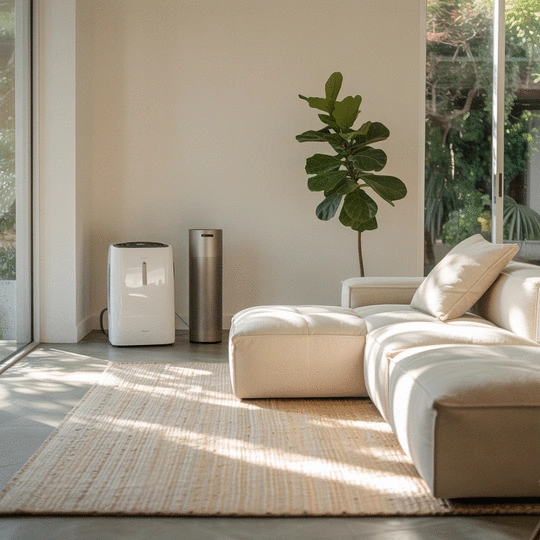
Tip — Begin by controlling moisture levels in your home to prevent mold growth. Use dehumidifiers in damp areas like basements and bathrooms.
Tip — Regularly inspect your home for signs of mold, especially around windows, under sinks, and behind appliances. Look for discoloration or musty odors.
Tip — Ensure proper ventilation and regularly change your HVAC filters to improve indoor air quality and reduce mold spores.
Tip — For extensive mold infestations, consider hiring a professional mold remediation service to ensure thorough removal and safety.
Tip — Stay informed about effective mold prevention strategies and resources by visiting Mold Removal Care for comprehensive guides and expert advice.